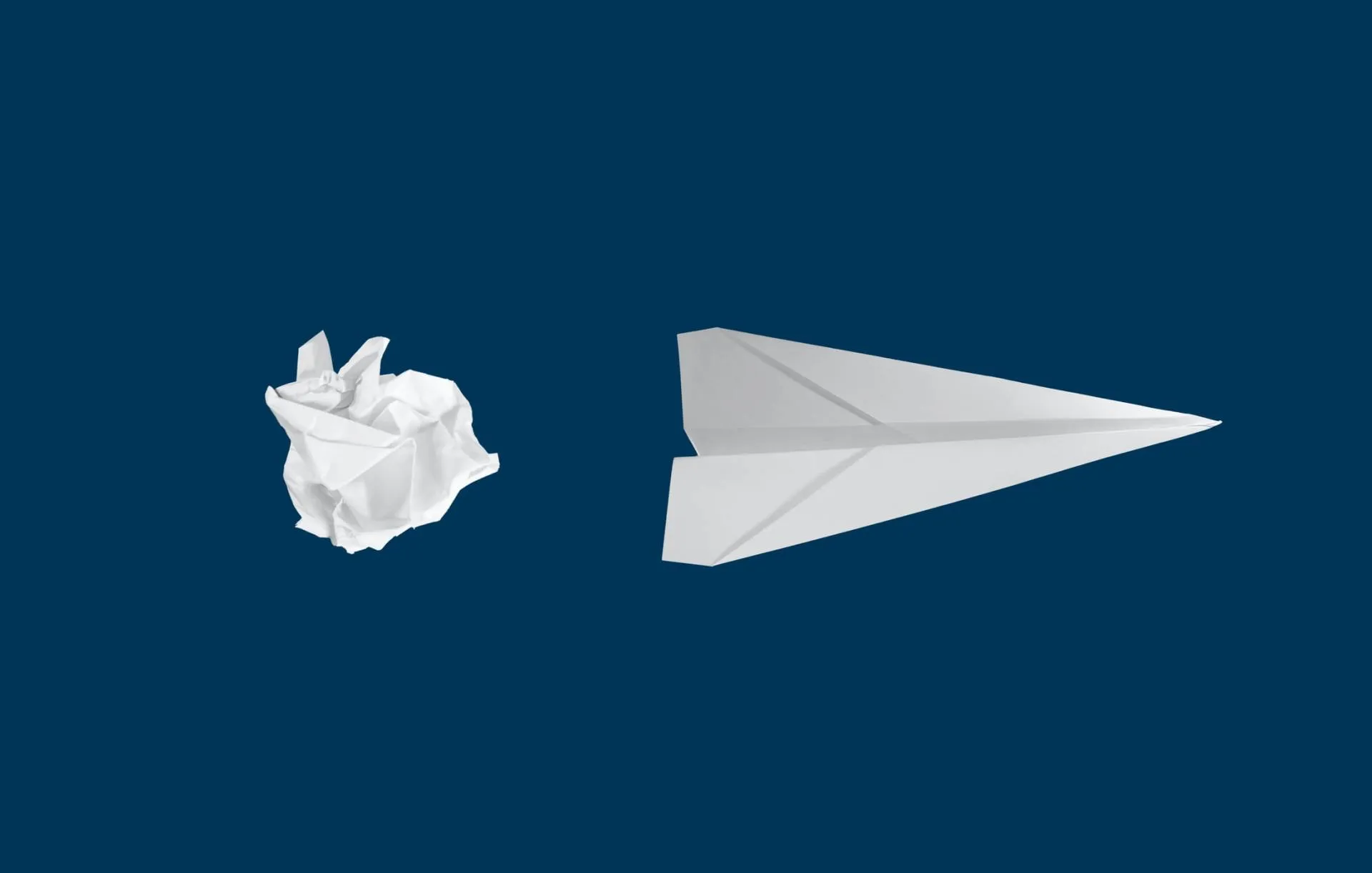

We’ve all experienced it: a new internal tool gets rolled out, but it’s clunky, confusing, and makes your job harder. Despite the investment, nobody wants to use it. This common problem stems from building processes around the technology first, expecting people to adapt later. A user-centric workflow flips that script entirely. It starts by understanding the real-world needs, habits, and frustrations of the people who will use the system. This people-first approach isn't just about being considerate; it's a strategic decision that leads to higher adoption, fewer errors, and a better return on your investment. It’s how you build solutions that people embrace rather than endure.
Key Takeaways
- Connect user needs directly to business goals: Frame your workflow design around solving real user problems to achieve higher adoption, reduce development costs, and build a loyal user base.
- Build a continuous feedback loop: A user-centric process doesn't end at launch. Systematically gather user insights through methods like interviews and usability tests, and use that data to consistently refine and improve your workflows.
- Unify your teams with shared tools and processes: Break down departmental silos by using a central platform for collaboration and automation, ensuring everyone from design to development is aligned on creating a seamless user experience.
What is a User-Centric Workflow?
A user-centric workflow is a process designed with the end-user's needs, habits, and challenges as the top priority. Instead of building a system and then training people to use it, this approach flips the script. It starts by understanding how people actually work and then builds a workflow that supports them, making their tasks simpler, faster, and more intuitive. Think of it as the difference between a confusing, multi-step expense reporting process and one that lets you snap a photo of a receipt and be done.
This people-first mindset isn't just about being nice; it's about being effective. When workflows are designed around the user, they get adopted more quickly, require less training, and lead to fewer errors. It’s a strategic shift that recognizes that the most powerful tools are the ones people genuinely want to use. By focusing on the human element, you create processes that don’t just look good on a flowchart—they deliver real-world results and make work life easier for everyone involved.
Moving from Product-First to People-First
For a long time, building a new process meant focusing on the technology or the product first. We’d map out the technical requirements and then expect people to adapt. A user-centric model turns that idea on its head. It puts the needs and behaviors of real people at the heart of every decision, from the initial concept to the final rollout. This approach is grounded in user-centered design, which uses research to understand the user’s perspective.
This isn't just about adding a few user-friendly features. It’s a fundamental change in how we solve problems. Instead of just asking what users do, we dig deeper to understand why they do it. This empathy leads to workflows that are not only functional but also feel intuitive and supportive, ultimately creating solutions that people embrace rather than endure.
Why Putting Users First Drives Business Success
When you prioritize the user experience, good things happen for the business. Workflows that are easy to use and meet people’s needs are more likely to be adopted, which means you get a better return on your investment. This approach directly impacts the bottom line by reducing friction and improving efficiency. For example, a well-designed process can lead to fewer support tickets and less time spent on troubleshooting, freeing up your IT team for more strategic work.
Happy users are also more productive and engaged. When you remove frustrating roadblocks from their daily tasks, they can focus on what they do best. This leads to higher job satisfaction and retention. Plus, getting user input early in the design process helps you prevent costly mistakes and avoid having to rework a system that nobody wants to use. It’s a proactive strategy that builds better processes and a stronger, more efficient organization.
The Guiding Principles of User-Centric Design
To build workflows that people actually want to use, you need a solid foundation. User-centric design provides that foundation through a set of guiding principles. Think of these as your north star, keeping every decision focused on the end-user. This approach is a mindset shift that puts the needs, hopes, and challenges of people first. It’s about moving beyond just features and functions to create experiences that are intuitive, efficient, and genuinely helpful.
When you build processes with these principles in mind, you’re not just automating tasks; you’re solving real problems for the people who interact with your systems every day. This philosophy is built on four key pillars: starting with empathy, prioritizing usability and accessibility, practicing inclusive design, and making data-driven decisions. By weaving these ideas into your workflow design process, you create solutions that are not only powerful but also a pleasure to use. This approach ensures the final product doesn't just work, but works for the people it's designed to serve.
Start with Empathy
Everything in user-centric design begins with empathy. This means stepping into your users' shoes to truly understand their world—their goals, their frustrations, and the context in which they work. It’s a way of thinking that puts the real-world problems of the people who will use a product at the forefront of the design process. To build empathy, you have to connect with your users directly. This involves conducting interviews, observing them in their natural environment, and listening carefully to their feedback. By understanding their pain points on a deeper level, you can design workflows that address their actual needs, not just the needs you assume they have. This is the heart of creating a truly effective and human-centered system.
Prioritize Usability and Accessibility
Once you understand your users, the next step is to create something they can actually use. The main goal is to build products that are both easy to use (usable) and available to everyone (accessible). Usability is all about clarity and efficiency. Is the workflow intuitive? Can a new user figure it out without a lengthy manual? Accessibility ensures that people with different abilities can use your tools effectively. This includes considering users with visual, auditory, motor, or cognitive impairments. By following established guidelines, like the Web Content Accessibility Guidelines (WCAG), you can create workflows that don't leave anyone behind, making your solutions more robust and equitable for your entire user base.
Practice Inclusive Design
Inclusive design takes accessibility a step further. While accessibility is about making sure people can use a product, inclusivity is about making sure they feel like it was designed for them. Designing for a wide range of people, regardless of their abilities, background, or circumstances, ensures your product serves a broader audience. This means actively seeking out diverse perspectives during the design phase and challenging your own assumptions. For example, consider users from different cultural backgrounds, with varying levels of technical skill, or in different work environments. By intentionally including perspectives from the margins, you often create a better, more flexible experience for everyone. It’s a proactive approach that fosters a sense of belonging.
Make Data-Driven Decisions
Empathy gives you direction, but data tells you if you're on the right path. User-centric design relies on evidence, not just intuition. You should use real information and insights from users to guide every design choice, ensuring the final product meets their needs effectively. This involves gathering both qualitative data—like feedback from user interviews—and quantitative data from analytics and performance metrics. For example, you might track how long it takes users to complete a task in a workflow or run A/B tests on different interface designs. This data-driven approach helps you validate your assumptions, measure the impact of your changes, and continuously refine your workflows based on how people actually use them.
The Four Phases of a User-Centric Workflow
Building a workflow that truly serves its users isn’t about guesswork; it’s about following a structured, thoughtful process. A user-centric workflow is typically broken down into four distinct phases: Research and Discover, Design and Prototype, Test and Validate, and Implement and Iterate. Think of this not as a straight line from start to finish, but as a continuous cycle. Each phase flows into the next, and the insights you gain at the end often circle back to inform the beginning of a new improvement cycle.
This iterative approach is what makes the process so powerful. It allows you to build with confidence, knowing that real user needs are guiding your decisions every step of the way. Instead of investing significant time and resources into a solution only to find out it misses the mark, you can learn, adapt, and refine as you go. This method helps you create more effective, efficient, and well-received processes and products. By embracing this four-phase cycle, you can ensure the end user remains the central focus from the initial idea to the final implementation and beyond.
Phase 1: Research and Discover
This is where it all begins. The research and discovery phase is dedicated to understanding the people who will actually use the workflow. Before you can solve a problem, you need to know who you’re solving it for, what their challenges are, and what they need to succeed. This involves stepping away from your own assumptions and engaging directly with your audience.
You can gather these crucial insights through methods like user interviews, surveys, and direct observation. The goal is to build a deep sense of empathy and a clear picture of the user’s context and pain points. This foundational user-centered design research ensures that the solutions you create later are grounded in real-world needs, not just internal ideas.
Phase 2: Design and Prototype
Once you have a solid understanding of your users, it’s time to start translating those insights into tangible solutions. The design and prototype phase is where ideas begin to take shape. This isn’t about building the final product right away. Instead, it’s about creating low-cost, preliminary versions of your solution that you can test and refine.
This often starts with mapping out user flows to visualize the user’s path, then moves to creating wireframes or mockups to outline the structure and layout. From there, you can build simple, interactive prototypes that allow users to click through and experience the proposed workflow. These early models are essential for visualizing the solution and identifying potential issues before any significant development work begins.
Phase 3: Test and Validate
With a prototype in hand, you can move into the testing and validation phase. This is your chance to get your design in front of real users and see how it performs. The goal here is to gather honest feedback and observe how people interact with your prototype. Does the workflow make sense to them? Can they complete tasks easily? Where do they get stuck or confused?
This phase is a critical feedback loop. Based on what you learn, you can go back to the design phase, make adjustments, and test again. This iterative cycle of testing and refining is what separates good workflows from great ones. It helps you catch usability problems early, validate your design decisions, and ensure the final product is intuitive and effective for its intended audience.
Phase 4: Implement and Iterate
After multiple rounds of testing and refinement, you’ll have a validated design that’s ready for development. The implementation phase is where your workflow is officially built and launched. But in a truly user-centric process, the work doesn’t stop here. The launch is just the beginning of the next feedback loop.
Once the workflow is live, it’s important to continue monitoring its performance and gathering user feedback. This ongoing data provides valuable insights for future improvements. You might discover new pain points or opportunities for enhancement you didn’t see before. These findings feed directly back into the research phase, starting the cycle all over again and ensuring your workflow continues to evolve with your users’ needs. This is where a flexible workflow automation platform becomes invaluable for making quick adjustments.
How to Weave User Feedback into Your Workflow
A user-centric workflow isn’t just about asking for opinions once in a while. It’s about building a system where user insights are the fuel that powers your entire process, from the first idea to the final launch and beyond. This means creating intentional pathways for feedback to flow into your team's daily work. When you treat feedback as an ongoing conversation rather than a final exam, you can adapt more quickly, build better products, and create solutions that people genuinely love to use. Let's look at three practical ways to make this happen.
Collect Feedback Continuously
Feedback is not a one-and-done activity. You should involve users throughout the entire design process. Don't wait until you have a polished prototype to ask for input. Start collecting feedback from the very beginning to get a clear picture of what users actually need. This simple shift saves an incredible amount of time and resources by helping you avoid major mistakes down the line. You can set up automated surveys after key interactions or schedule regular, informal check-ins with a core group of users. The goal is to make gathering insights a consistent, low-effort habit for your team.
Create Feedback Loops in Every Stage
A true user-centric workflow runs on feedback loops. This means you test your designs with users, listen to their feedback, and then make thoughtful changes based on what you learned. This cycle of testing and improving should be a constant, even after your product is live. Think of it as a continuous improvement engine. You can build automated workflows to trigger feedback requests at specific points in the user journey, ensuring you get timely insights without manual effort. This process helps you refine your solution over time, making sure it always meets the evolving needs of your users.
Balance User Needs with Business Goals
Putting users first doesn't mean putting your business goals last. The magic happens when you find the overlap between what your users need and what your business aims to achieve. Start by identifying where these two areas align. This often involves conversations with key stakeholders across your company to agree on which problems are most critical to solve for both the user and the business. Using data to define your strategy helps you prioritize features that deliver maximum impact, creating solutions that are not only user-friendly but also contribute directly to your bottom line.
Key User Research Methods to Guide Your Workflow
A user-centric workflow isn’t built on guesswork; it’s built on evidence. To truly understand your users, you need a toolkit of research methods that help you gather concrete insights into their needs, behaviors, and pain points. These methods aren't just one-off tasks; they are ongoing practices that inform every stage of your process, from initial discovery to final implementation and beyond. By systematically listening to and observing your users, you can move from making assumptions to making informed decisions that lead to better, more intuitive workflows. Let’s walk through four essential methods that will help you gather the feedback you need to guide your design and development efforts effectively.
Conduct User Interviews and Surveys
The most direct way to understand your users is to simply ask them. User interviews and surveys are foundational research methods that help you gather both qualitative and quantitative data. Interviews allow for deep, open-ended conversations where you can uncover motivations and frustrations you might never have anticipated. Surveys, on the other hand, are great for collecting structured data from a larger audience to identify broad patterns and trends. The key to both is knowing who to ask. Before you start, you need to identify the specific groups of people who will use your product, based on their roles, behaviors, and needs. This ensures the feedback you collect is relevant and actionable.
Run Usability and A/B Tests
Once you have a prototype or a live version of your workflow, it’s time to see how it performs in the real world. Usability testing involves watching actual users interact with your design to see where they succeed and where they struggle. This direct observation is invaluable for uncovering friction points you might have missed. A/B testing is a more quantitative approach where you compare two different versions of a design element—like a button or a form layout—to see which one performs better against a specific goal. Both methods are part of a continuous cycle. As one expert puts it, the process of testing and improving never truly stops, even after the product is launched.
Map the User Journey
A user’s experience doesn’t happen in a single moment; it’s a series of steps and interactions. A user journey map is a visual tool that helps you chart this entire process from the user’s perspective. It tracks what a user does, thinks, and feels at each stage of their interaction with your workflow. This visualization is powerful because it highlights the emotional highs and lows of the experience, revealing critical moments of frustration or delight. By creating a user journey map, you can pinpoint exactly where your workflow is causing problems and identify the best opportunities to make meaningful improvements that will have the biggest impact on user satisfaction.
Turn Insights into Action
Gathering data is only half the battle. The most critical step is translating your research findings into tangible improvements. This is where you connect the dots between what users are telling you and what your business needs to achieve. Start by synthesizing the feedback from interviews, tests, and journey maps to identify recurring themes and high-priority issues. Then, you can translate those research findings into practical design changes and development tasks. By consistently turning insights into action, you create a workflow that not only solves user problems but also drives your business goals forward, ensuring your efforts are both user-centric and results-oriented.
The Business Benefits of a User-Centric Approach
Adopting a user-centric approach isn't just about creating a better experience; it's a powerful strategy that delivers tangible business results. When you shift your focus from what you think users need to what they actually need, you create a ripple effect that strengthens your entire organization. This people-first mindset directly impacts your bottom line by improving customer loyalty, streamlining development, and setting you apart from the competition. It’s about building smarter, not just harder, and creating workflows and products that people genuinely want to use.
Increase User Satisfaction and Retention
When your workflows are designed to solve real user problems, people are happier and more likely to stick around. A user-centered design process is built on understanding the needs and feelings of the end-user, which means the final product is intuitive and effective. This focus on the user experience reduces frustration and builds trust. Satisfied users are not only easier to retain, but they also become advocates for your brand. By consistently meeting their expectations, you transform casual users into a loyal customer base, which is the foundation for sustainable growth.
Lower Development Costs and Ship Faster
Guesswork is expensive. Building features that nobody uses or creating processes that don't solve the right problem leads to wasted time, money, and resources. A user-centric approach minimizes this risk by validating ideas early and often. By understanding user needs from the start, your team can avoid costly design errors and prevent major rework down the line. This front-loaded research allows you to focus development efforts on what truly matters, leading to a more efficient process. You can ship products and updates faster and with more confidence, knowing they are already aligned with user expectations.
Gain a Competitive Edge
In a crowded market, a superior user experience is a key differentiator. When your products and workflows are easier and more enjoyable to use than your competitors', you create a significant competitive edge. This leads directly to higher adoption rates, better conversion rates, and a stronger brand reputation. Companies that prioritize user needs often see a reduction in customer support costs because the products are more intuitive from the start. Ultimately, a user-centric model isn't just a design philosophy; it's a business strategy that attracts and retains customers, giving you a stronger position in the market.
How to Overcome Common Implementation Hurdles
Shifting to a user-centric model is a smart move, but it’s not always a straight path. You’re likely to run into a few common roadblocks, from clashing team methodologies to technical snags. The good news is that these challenges are manageable with the right approach and tools. Instead of letting them derail your progress, you can plan for them. Let’s walk through some of the most frequent hurdles and how you can clear them to keep your projects moving forward and your users happy.
Blend User-Centric Design with Agile Processes
One of the first points of friction teams often feel is between user-centric design (UCD) and agile development. UCD is exploratory, while agile is structured around sprints. The secret isn't to choose one over the other but to merge them. Instead of keeping design and development work on separate boards, create a shared space. As designer Vicky Teinaki points out, "Standard ways of tracking work, like 'to-do, doing, review, done,' can easily be used for UCD tasks." This simple change fosters collaboration and ensures user research and design validation are treated as essential parts of each sprint, not as a separate preliminary step. A unified workflow automation platform can provide this shared space for everyone.
Solve Tool and System Incompatibility
Your organization likely relies on a mix of different applications and legacy systems. When these tools don't communicate, you end up with data silos and a fragmented user experience. True automation goes beyond just "converting paper to digital." To create a seamless user journey, your systems need to work together. This is where having a flexible and powerful integration engine becomes critical. Look for iPaaS solutions that can connect your disparate systems, from your CRM to your ERP. This creates a unified backend that allows you to design and deliver a consistent, user-friendly experience on the front end, no matter how complex your tech stack is.
Manage Tight Resources and Timelines
Let's be real: deadlines are tight and resources are often limited. When teams are stretched thin, it’s tempting to cut corners on user research or iterative design, but that’s a mistake. As the team at Claritee notes, "inefficient workflows to confusing interfaces...can have a significant impact on productivity and job satisfaction." Instead of sacrificing the user experience, find ways to work more efficiently. Low-code platforms are a game-changer here. They allow your teams to use graphical designers and pre-built modules to build and modify workflows quickly. This speed frees up valuable time and budget, which you can reinvest into the user-centric activities that matter most.
Adapt to Evolving User Needs
The workflow you build today won't be perfect forever. User expectations change, and new pain points will emerge. As one article from Better Lives explains, user challenges often "manifest as changing user expectations and needs." Your success depends on your ability to adapt without starting from scratch each time. A rigid, hard-coded system makes iteration slow and expensive. You need a flexible foundation that allows for quick adjustments. By using a platform designed for iteration, you can easily modify processes based on continuous user feedback. This agility ensures your workflows remain relevant and effective, helping you meet your users' needs as they evolve over time.
Foster Collaboration Across Departments
A user-centric workflow isn’t just a job for the design team; it’s a company-wide commitment. When teams operate in silos, the user experience often becomes fragmented. Marketing might promise one thing, while the product delivers another, and customer support is left to handle the confusion. True user-centricity happens when everyone—from engineering to sales—shares a common understanding of the user and works together to meet their needs.
Creating this collaborative environment means intentionally breaking down the walls between departments. It’s about building shared spaces, both digital and cultural, where information flows freely and every team member feels empowered to contribute to the user’s success. Here’s how you can start fostering that cross-departmental synergy.
Break Down Silos
Organizational silos are the invisible barriers that prevent teams from communicating and collaborating effectively. To build a user-centric product, you have to tear them down. A great first step is to create a single, shared space for all project-related work. Instead of having separate boards for design and development, for example, a unified board gives everyone a clear view of the entire process. This simple change helps teams collaborate better and ensures everyone is aligned on the same goals. When the user research team, designers, and developers are all looking at the same tasks and progress, it’s much easier to build a cohesive experience that truly serves the user from start to finish.
Use Shared Tools and Processes
Shared goals are built on shared tools. When every department uses its own separate software, it’s easy for wires to get crossed and for important information to get lost in translation. Adopting a common set of tools for project management, communication, and documentation creates a single source of truth. This helps the whole team see what everyone is doing, making it easier to work together and spot potential issues early on. A centralized workflow automation platform can be the connective tissue that links your various systems and processes, ensuring that data and tasks move smoothly between teams. This creates a transparent environment where everyone is on the same page, working from the same information.
Make the Design Process Transparent
For other departments to truly buy into a user-centric approach, they need to see how the sausage is made. Making the design process transparent is key. This means getting user-centered design work into the same planning tools that development and product teams use every day. When developers can see the user interviews, journey maps, and usability test results that led to a specific design decision, they gain a much deeper context and appreciation for the user’s needs. This visibility helps everyone understand the "why" behind the work, leading to more thoughtful implementation and fewer last-minute changes. It transforms design from a mysterious black box into a collaborative, evidence-based process.
Essential Tools for User-Centric Workflows
Putting user-centric principles into practice requires more than just a shift in mindset; it demands the right set of tools. The right technology stack can streamline your processes, foster collaboration, and ensure that user feedback is at the heart of every decision. These tools aren't just about efficiency—they are the infrastructure that supports a continuous cycle of research, design, and iteration. By equipping your teams with the proper platforms, you create an environment where building for the user becomes the path of least resistance.
Workflow Automation Platforms
A powerful workflow automation platform acts as the central nervous system for your user-centric processes. It connects disparate tasks, automates repetitive steps, and provides a clear view of how work moves from one stage to the next. Good automation can help eliminate common pain points by ensuring that feedback is routed to the right people and that development sprints are initiated based on validated user needs. With a low-code/no-code platform, your teams can quickly design and modify workflows, allowing you to adapt to user insights without waiting on complex development cycles. This agility is key to building processes that truly serve the end-user.
Team Collaboration Tools
User-centric design is a team sport, and silos are its biggest opponent. Collaboration tools are essential for breaking down walls between design, development, product, and marketing teams. When everyone works from a shared space, it creates transparency and a unified vision. Having a single board for both user-centered design and development work helps teams collaborate more effectively than juggling separate systems. This shared visibility ensures everyone understands the user's journey and their role in improving it. It also makes it easier to spot dependencies and resolve issues before they impact the user experience.
Analytics and Feedback Systems
You can't be user-centric without listening to your users. Analytics and feedback systems are your direct line to understanding their behaviors, needs, and frustrations. These tools go beyond simple surveys; they include usability testing platforms, session recording software, and product analytics that show how people interact with your product in real-time. The goal is to use real information and insights to guide every design choice you make. By integrating these systems into your workflow, you can create automated feedback loops that turn raw data into actionable tasks, ensuring your team is always building what users actually want and need.
Build a Lasting User-Centric Culture
Adopting a user-centric workflow is more than just a new process—it's a cultural shift. It’s about moving from a product-first mindset to a people-first one, where understanding and serving the user becomes the foundation of everything you do. This isn't a switch you can flip overnight. Building a lasting user-centric culture requires a deliberate, organization-wide commitment to embedding empathy and user feedback into your company’s DNA.
When user-centricity becomes a core value, it influences every decision, from high-level strategy to the smallest design detail. It breaks down silos between departments, creating a shared mission to deliver exceptional experiences. This alignment doesn't just make for happier customers; it fosters a more collaborative and innovative environment for your teams. By investing in the right training, setting clear metrics for success, and scaling these practices across the entire organization, you can create a resilient culture that consistently puts the user at the heart of your operations. This is how you move from simply completing tasks to creating real, lasting value.
Train Your Teams on User-Centric Methods
To build a user-centric culture, you need to give your teams the right tools and training. It starts with establishing a shared understanding of what it means to be user-centric. A great framework for this is user-centered design (UCD), a methodology that grounds the entire development process in user needs and feedback.
Instead of just talking about empathy, show your teams how to practice it. Host workshops on creating user personas, mapping customer journeys, and conducting effective user interviews. By equipping everyone—from developers to marketers—with these practical skills, you create a common language and a consistent approach to problem-solving. This ensures that every team member feels empowered and capable of contributing to a better user experience.
Set KPIs to Measure User Satisfaction
You can't improve what you don't measure. To make user-centricity a priority, you need to track its impact with clear Key Performance Indicators (KPIs). These metrics make the value of your efforts tangible and help you demonstrate progress to stakeholders. Start by defining what success looks like for your users and align those outcomes with your overarching business goals. This creates a powerful user research workflow that directly connects user happiness to business growth.
Common KPIs include the Net Promoter Score (NPS), Customer Satisfaction (CSAT), and task success rates. You can also track metrics like customer churn or feature adoption rates. The key is to choose indicators that give you actionable insights into the user experience, allowing you to celebrate wins and identify areas for improvement.
Scale User-Focused Processes Company-Wide
A user-centric approach is most effective when it’s applied consistently across the entire organization. Scaling these practices means moving beyond isolated projects and embedding them into your company's standard operating procedures. This involves identifying and addressing internal pain points, such as inefficient workflows or disconnected tools, that prevent teams from keeping the user in focus.
To scale successfully, you need to standardize your user-centric processes. A powerful workflow automation platform can help you design, implement, and manage these workflows across departments. By automating feedback loops, standardizing research methods, and making user insights accessible to everyone, you make user-centricity the easiest and most efficient way to work. This ensures that as your company grows, your commitment to the user only gets stronger.
Related Articles
- What Is a Visual Workflow Designer & Why You Need One
- HTML5 Graphical Workflow Designer
- Flow Designer vs Workflow: What's the Difference?
Frequently Asked Questions
Isn't this just good design? What makes a 'user-centric workflow' different? That's a great question because it gets to the heart of the matter. While good design is a part of it, a user-centric workflow is a much broader strategy. It's less about the visual polish of an interface and more about the underlying structure of a process. It starts by deeply understanding the user's real-world context, challenges, and goals before any design or development begins. This approach ensures the entire system, from start to finish, is built to support how people actually work, rather than forcing them to adapt to a rigid process.
My team is small and we don't have dedicated researchers. How can we start being more user-centric? You don't need a big team or budget to get started. The most important step is to simply start talking to your users. You can begin by scheduling short, 15-minute conversations with a few people who use your current processes. Ask them to walk you through their day and point out where they get stuck or frustrated. Even these small, informal chats can uncover huge opportunities for improvement and help you build empathy, which is the foundation of this entire approach.
Does this approach only apply to external, customer-facing products? Not at all. In fact, applying user-centric principles to your internal processes can be incredibly powerful. Think about your own company's workflows for things like onboarding, expense reporting, or project approvals. When these internal systems are confusing or inefficient, they create friction that impacts employee productivity and satisfaction. By designing these internal workflows with your employees' needs in mind, you can make their jobs easier and free them up to focus on more important work.
How do you handle conflicting feedback from different users? Conflicting feedback is normal and actually a good sign that you're talking to a diverse group of people. The key is to look for the underlying problem behind the suggestions. Instead of just focusing on what users say they want, try to understand why they want it. Often, you'll find that different users are experiencing the same core pain point but are suggesting different solutions. Your job is to synthesize that feedback, identify the common theme, and design a solution that addresses the root cause for everyone.
What's the biggest mistake to avoid when shifting to a user-centric model? The most common mistake is treating user research as a one-time event at the beginning of a project. A truly user-centric approach involves creating continuous feedback loops. Don't just gather insights, build a solution, and then move on. You should be checking in with users at every stage—from initial concept to post-launch—to test your assumptions and refine your work. This iterative process is what ensures your workflow remains effective and relevant as your users' needs evolve.