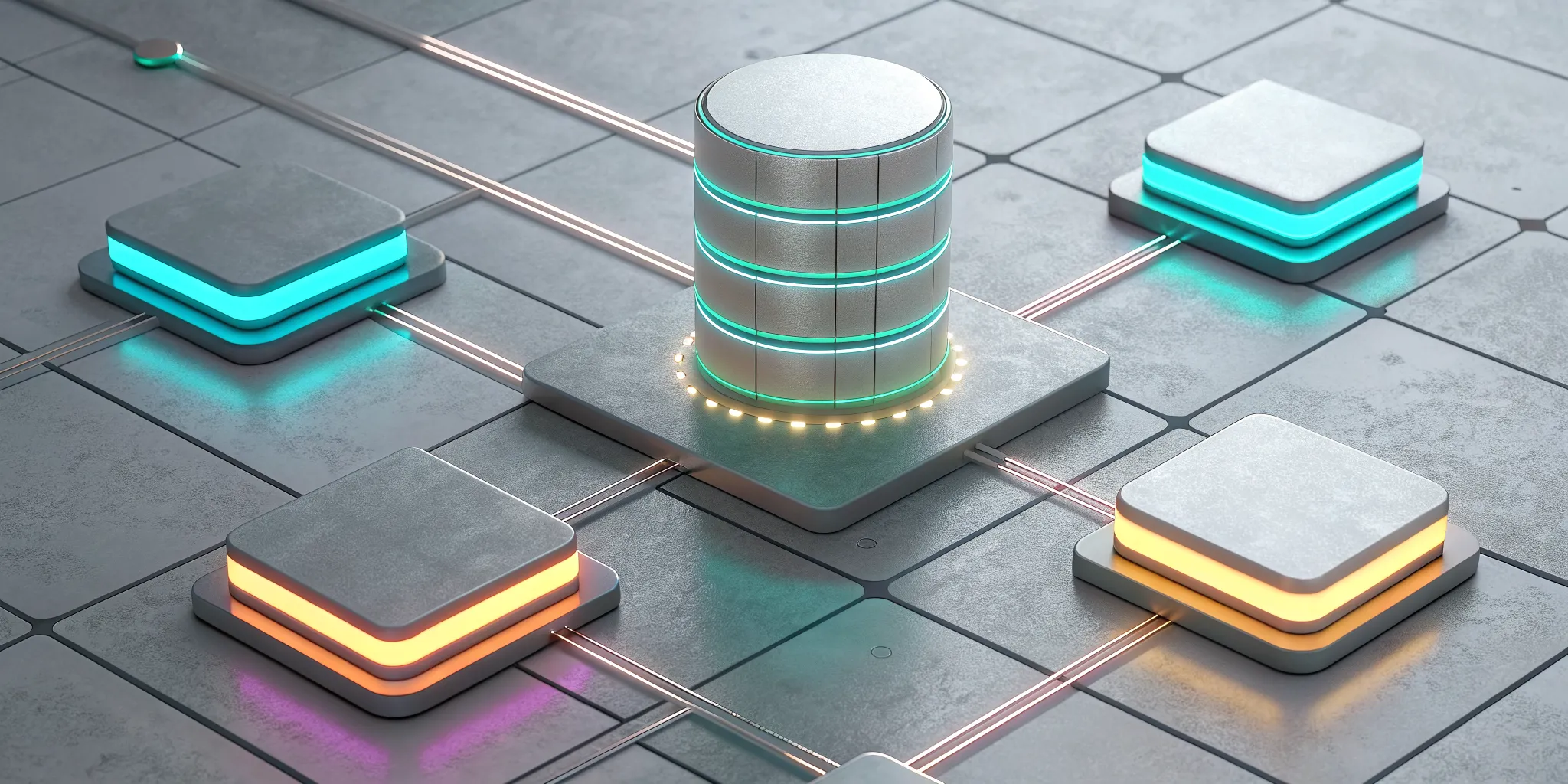
For any software provider or large enterprise, the challenge of serving multiple customers or departments is a constant balancing act. Do you deploy a separate, costly instance for each one? This approach quickly becomes a maintenance nightmare, with endless updates and security patches across different environments. The smarter, more scalable solution is a multi-tenant workflow architecture. This model allows you to serve all your users from a single, centralized platform. It streamlines everything from onboarding new clients to rolling out new features, dramatically cutting down on operational overhead. This guide explains how this architecture works and why it’s the foundation for efficient, scalable business process automation.
Key Takeaways
- Embrace a shared model for cost savings and scalability: A multi-tenant architecture reduces infrastructure costs by serving many customers from one platform, making it much easier to manage updates and add new users as you grow.
- Prioritize data isolation to build trust: In a multi-tenant system, you must keep each customer's data completely separate. Use strong encryption, role-based access controls, and a database design that ensures total privacy for every tenant.
- Maintain system health with active management: To ensure a smooth experience for everyone, continuously monitor performance, use load balancing to manage traffic, and set resource limits to prevent any single tenant from impacting others.
What Is a Multi-Tenant Workflow?
Think of a multi-tenant workflow system like an apartment building. One building provides the structure, plumbing, and electricity for everyone, but each resident has their own private, secure apartment. They can decorate it how they like and keep their belongings safe, all while sharing the building's core infrastructure. In the world of software, a multi-tenant architecture works the same way: a single instance of a workflow application serves multiple customers, who are called "tenants."
Each tenant shares the same application and underlying resources, but their data, configurations, and user lists are kept completely separate and private. This model is the backbone of most Software-as-a-Service (SaaS) products, allowing providers to efficiently serve many customers from a single, managed platform. For businesses, this means you get access to powerful workflow automation tools without the headache and cost of maintaining your own dedicated hardware and software. You get your own secure space to design and run processes, tailored to your specific needs, all within a shared, cost-effective environment.
Key Components of a Multi-Tenant System
A multi-tenant system is built on a few core principles that allow it to serve everyone efficiently and securely. First is the shared application and infrastructure. All tenants use the same version of the software, running on the same servers. This makes updates and maintenance much simpler, as a single change can be rolled out to everyone at once.
The second key component is tenant isolation. Even though the application is shared, each tenant's world is entirely their own. This includes their data, custom settings, user permissions, and specific workflow designs. The system is architected to ensure that one tenant can never see or access another tenant's information. This separation is what makes multi-tenancy a secure and viable option for businesses of all sizes.
How to Keep Tenant Data Separate
Data isolation is the most critical part of a multi-tenant system. There are a few common ways to achieve this, but the goal is always the same: keep each tenant's data completely private. One popular method involves giving each tenant their own separate database. This approach offers the highest level of security and is often required for industries with strict compliance standards, as it creates a strong digital boundary between customers.
Other models might use a single database but separate tenants using different schemas (like separate sets of folders within one filing cabinet) or by adding a unique "Tenant ID" to every piece of data. FlowWright’s SaaS workflow platform uses separate databases for each tenant, ensuring your data is never co-mingled and remains completely secure.
Multi-Tenant vs. Single-Tenant: What's the Difference?
When you're exploring workflow automation platforms, you'll often come across the terms "multi-tenant" and "single-tenant." Think of these as two different ways to structure a software service. One isn't inherently better than the other; they just serve different needs. Understanding the key distinctions in how they handle resources, costs, and maintenance will help you figure out which approach is the right fit for your organization's goals and operational style. Let's break down what sets them apart.
Shared Resources vs. Dedicated Instances
In a multi-tenant architecture, a single instance of the software serves multiple customers, or "tenants." It’s like living in an apartment building. Everyone shares the main structure, plumbing, and electricity, but each resident has their own secure, private apartment where their belongings are kept separate. Similarly, each tenant in a multi-tenant system shares the core application and infrastructure, but their data, settings, and user information are kept completely isolated.
On the other hand, a single-tenant model gives each customer their very own dedicated software and database. This is more like owning a single-family home. You have complete control over the property and everything in it, offering a higher degree of customization and security. This dedicated setup ensures your operations are never affected by other users.
How Each Model Affects Your Budget
Your choice between these two models will have a direct impact on your budget. The multi-tenant approach is typically more cost-effective because the expenses for the software, hardware, and maintenance are spread across all the tenants. Since everyone is sharing the same underlying infrastructure, the provider can offer the service at a lower cost per customer. This shared model also makes it simpler to scale your operations without a massive financial investment.
A single-tenant setup generally comes with a higher cost. Because you get your own dedicated resources, you bear the full expense of the infrastructure and its upkeep. While this provides more control, the initial setup and ongoing maintenance can be more expensive and complex, especially as your needs grow.
Handling Maintenance and Updates
Maintenance is another area where these two models really differ. With multi-tenancy, updates are a breeze. The provider only needs to update the central application once, and every tenant instantly gets the new features and improvements. This streamlined process means less downtime and faster access to innovation. It also helps organizations manage their business processes more effectively, as the platform is always current.
In a single-tenant environment, maintenance is more hands-on. Each customer's dedicated instance has to be updated individually. This can be a slow, resource-intensive process, especially if you have many instances to manage. While it offers more control over the update schedule, it also requires more planning and effort from your IT team to keep everything running smoothly.
Why Choose a Multi-Tenant Workflow?
Deciding between a multi-tenant and single-tenant architecture is a major strategic choice. While a dedicated single-tenant setup offers a high degree of control, a multi-tenant workflow brings a powerful set of advantages that are hard to ignore, especially for businesses focused on efficiency, growth, and innovation. From a financial perspective, sharing resources just makes sense. But the benefits go far beyond the bottom line. A multi-tenant model streamlines how you manage your entire system, from routine maintenance to rolling out exciting new features. It’s an approach designed for agility, allowing you to respond quickly to the needs of your users and the market. This model is foundational to many modern software-as-a-service (SaaS) applications, providing a reliable and scalable framework. By centralizing your operations, you create a more manageable and cost-effective environment that can adapt as your business evolves. It's about working smarter, not harder, by leveraging a shared infrastructure to deliver a consistent, high-quality experience to all your users. Let’s look at the key reasons why a multi-tenant workflow might be the perfect fit for your organization.
Save Money with Shared Resources
One of the most compelling reasons to adopt a multi-tenant architecture is its cost-effectiveness. Instead of setting up and paying for separate infrastructure for every single tenant, you can pool your resources. This means multiple tenants share the same application, database, and hardware. This shared model dramatically cuts down on operational expenses because you’re not paying for idle capacity. As one analysis on multi-tenant architecture explains, this approach "can significantly improve overall resource utilization by allowing multiple tenants to share the same infrastructure, reducing idle capacity and maximizing efficiency." By consolidating your infrastructure, you lower costs for hardware, maintenance, and energy, allowing you to invest those savings back into your business.
Scale Your Operations with Ease
As your business grows, you need a system that can grow with you without causing major headaches. Multi-tenancy is built for scalability. Onboarding a new customer or user group is as simple as creating a new tenant within the existing infrastructure, not provisioning an entirely new environment. This makes it possible to support growth efficiently, whether you're serving small teams or large enterprises that require access to extensive cloud resources. This flexibility allows you to add new tenants quickly and seamlessly, ensuring a smooth onboarding experience. With a robust platform, you can manage this growth effortlessly, making your workflow solution a true asset for expansion.
Simplify Maintenance and Updates
Managing updates across dozens or even hundreds of separate instances is a logistical nightmare. A multi-tenant workflow solves this by centralizing maintenance. When you need to patch a security vulnerability, fix a bug, or upgrade the system, you only have to do it once. The update is applied to the core application and instantly becomes available to all tenants. This approach means the provider "only has to make updates once in order to share them with all of its ‘tenants.’" This not only saves your team an incredible amount of time but also ensures consistency and security across the board. Every user benefits from the latest improvements simultaneously, without the delays and risks associated with manual, instance-by-instance updates.
Deploy New Features Faster
A streamlined maintenance process has another fantastic benefit: you can get new features into the hands of your users much faster. Because you’re working with a single, centralized codebase, your development and deployment cycles are significantly shorter. You can build, test, and release new functionalities for everyone at once. This speed gives you a serious competitive advantage, allowing you to innovate and respond to user feedback with agility. The ability to accelerate upgrades and reduce server requirements means you can focus more on creating value and less on the complexities of deployment. This faster pace of innovation helps keep your users engaged and ensures your platform continues to meet their evolving needs.
Common Challenges of Multi-Tenant Workflows
While a multi-tenant approach offers some great advantages like lower costs and easier updates, it’s important to go in with your eyes open. Sharing resources means you'll face a few unique hurdles that single-tenant systems don't have. Successfully managing a multi-tenant environment comes down to carefully balancing the needs of all your tenants while maintaining a stable, secure, and high-performing platform. It’s a bit like being the manager of a large, shared office space. You need to ensure every company has the privacy, resources, and flexibility they need to thrive, all while keeping the entire building running smoothly.
The stakes are high. A security slip-up could expose one tenant's sensitive data to another. A performance lag caused by one user could disrupt business-critical operations for everyone else. And if the platform isn't flexible enough, tenants may struggle to adapt it to their unique processes. Overcoming these obstacles is essential for building trust and delivering a reliable service. Let's walk through some of the most common challenges you'll encounter and discuss practical ways to address them, from data privacy and performance optimization to customization and efficient management.
Addressing Security and Data Privacy
When multiple customers store their data in the same environment, security becomes your top priority. The biggest risk is a data breach where one tenant could potentially access another's information. To prevent this, you need strict security measures and rigorous testing to ensure complete data isolation between tenants. This involves building strong logical separations within the database and application layers. Think of it like a high-security apartment building; every tenant has their own key, and the building has robust systems to make sure no one can get into a unit that isn't theirs. A solid digital transformation strategy depends on this level of trust and security.
Optimizing Performance for All Tenants
In a shared environment, you might run into the "noisy neighbor" problem. If one tenant starts using a massive amount of computing resources for a complex workflow, it can slow down the system for everyone else. This can lead to inconsistent performance and frustrated users. To keep things running smoothly, you need a system that can manage and allocate resources intelligently. This often means setting usage limits or using load balancers to distribute the work evenly. The goal is to ensure that every tenant gets a fair share of the system's power, preventing any single user from disrupting the experience for others in your iPaaS solution.
Navigating Customization Limits
One of the main reasons multi-tenancy is so efficient is that all tenants run on a single, standardized software instance. The flip side is that this can limit how much each tenant can customize their experience. While users can typically change settings and configure parts of the application to fit their needs, they can't alter the core code. The key is to find a platform that offers a high degree of configurability without requiring a separate version for each customer. A flexible low-code/no-code platform can provide the perfect middle ground, giving tenants the power to tailor workflows and forms to their specific processes.
Managing Multiple Tenants Efficiently
Juggling the needs of dozens or even hundreds of tenants can become complex without the right tools. Onboarding new users, monitoring system health, managing subscriptions, and rolling out updates requires a centralized management system. Without one, your administrative team can quickly get bogged down in manual tasks. A good multi-tenant platform provides a comprehensive dashboard for overseeing all tenant activity. This allows you to manage your entire business process automation environment from a single place, making it much easier to maintain a healthy and efficient system for everyone involved.
How to Secure Your Multi-Tenant Workflow
In a multi-tenant environment, security is everything. While the model is built on sharing resources, it absolutely cannot involve sharing sensitive data. A robust security strategy is essential to protect each tenant’s information and maintain trust. A single vulnerability could potentially expose multiple clients, so a proactive and layered approach is the only way to go. This means thinking about security from every angle, from the physical infrastructure where your servers live to the application layer where users interact with your system every day. It’s a constant process of vigilance, not a one-and-done task.
Building a secure multi-tenant workflow involves more than just putting up a firewall. It requires a deep understanding of how data flows through your system, who needs access to it, and what regulations you need to follow. You have to consider potential threats from both outside and inside the system. For example, how do you prevent one tenant from accidentally accessing another's data? How do you ensure that system updates don't introduce new vulnerabilities for everyone? By implementing strong encryption, strict access controls, and continuous monitoring, you can create a resilient environment where every tenant’s data is properly isolated and protected. Let’s walk through the core practices that will help you lock down your multi-tenant architecture and give your clients peace of mind.
Encrypt Data at Rest and in Transit
Think of your data as having two states: in transit and at rest. Data "in transit" is actively moving across a network, like when a user submits a form. Data "at rest" is stored on a server or in a database. You need to encrypt both. Encrypting data in transit with protocols like TLS prevents anyone from snooping on the information as it travels. Encrypting data at rest ensures that even if someone gained unauthorized physical access to your servers, the data would be unreadable without the encryption keys. This dual-layered data protection is a fundamental step in securing any multi-tenant system.
Implement Strong Access Controls
A core principle of multi-tenancy is ensuring users can only access their own organization's data. This is where strong access controls come in. When a user logs in, often using Single Sign-On (SSO), the system must instantly identify which tenant they belong to. From there, it applies specific rules to restrict what they can see and do. Using a model like Role-Based Access Control (RBAC) helps you define permissions for different user types, such as administrators or standard users, within each tenant. This ensures that data access is strictly limited to authorized individuals, preventing data leaks between tenants.
Stay on Top of Compliance
Different industries face different regulatory requirements, like HIPAA in healthcare or GDPR in Europe. Your multi-tenant architecture must be designed to meet these standards. For many organizations, compliance dictates that customer data cannot be stored in the same database, even if it’s logically separated. FlowWright supports SaaS with a clear separation of database for each tenant, a critical feature for businesses where compliance is a top priority. Always verify that your workflow platform can accommodate the specific data handling and privacy rules relevant to your industry to avoid costly penalties.
Plan for Monitoring and Incident Response
Security is not a one-time setup; it’s an ongoing commitment. You need to continuously monitor your system for suspicious activity and regularly test for vulnerabilities. This includes performance checks, data isolation tests, and authentication verifications to ensure everything is working as it should. Just as important is having a solid incident response plan. If a security issue does occur, you need a clear, step-by-step process for identifying the threat, containing the damage, and communicating with affected tenants. A well-defined plan helps you respond quickly and effectively, minimizing disruption and maintaining trust.
Designing Your Multi-Tenant Architecture
Building a successful multi-tenant workflow starts with a solid architectural plan. Think of it as the blueprint for a shared apartment building. You need to design it so that every resident feels like they have their own private, secure space, even though they’re all sharing the same foundation, plumbing, and electricity. The goal is to create a system that balances shared resources with individual tenant needs for security, performance, and customization. A thoughtful design ensures your platform is efficient, scalable, and easy to manage for both you and your tenants.
This process requires careful planning across several key areas. You’ll need to decide how to store and separate tenant data, design an application that can intelligently serve multiple tenants, and build an infrastructure that can handle the load without breaking a sweat. You also need a plan for bringing new tenants into the system smoothly. Getting these pieces right from the start will save you countless headaches down the road and set your multi-tenant system up for long-term success. Let’s walk through the essential components of a strong multi-tenant design.
Choose the Right Database Design
The way you handle data is arguably the most critical decision in your multi-tenant design. The main goal is data isolation, which means ensuring one tenant can never, ever see another tenant’s information. There are three common models for achieving this. You can use a single database with a shared schema, where a "tenant ID" column on each table separates the data. Alternatively, you could use separate schemas within a single database, giving each tenant their own set of tables. The third option is to provide a completely separate database for each tenant.
Each approach has its own trade-offs in security, performance, and operational complexity. A shared schema is often the most cost-effective, while separate databases offer the highest level of isolation. Your choice will depend on your specific security requirements, budget, and how much customization your tenants need.
Plan Your Application Layer
Your application needs to be built from the ground up to be "tenant-aware." This means the application logic must always know which tenant is making a request so it can retrieve the right data, apply the correct branding, and enforce the right business rules. This is what allows you to efficiently serve everyone from small businesses to large enterprises on the same platform.
A well-designed application layer also handles tenant-specific customizations without requiring separate codebases. Whether it’s a custom logo, a unique workflow, or specific user permissions, the application should be flexible enough to accommodate these differences. This is where a powerful workflow automation platform can make a huge difference, providing the tools to manage these variations seamlessly.
Build a Solid Infrastructure
Your infrastructure is the foundation that supports everything else. Managing multiple tenants on a single platform without compromising performance or security is a delicate balancing act. Your servers, networks, and storage must be robust enough to handle the combined workload of all your tenants and scalable enough to grow as you add more.
The key is to prevent the "noisy neighbor" problem, where one tenant’s heavy usage slows down the system for everyone else. This involves implementing resource management and monitoring to ensure fair usage. Building on a highly flexible and scalable platform helps you manage these challenges effectively. A strong infrastructure ensures that every tenant gets a fast, reliable experience, no matter what their neighbors are doing.
Create a Smooth Onboarding Process
How you bring new tenants onto your platform sets the tone for their entire experience. A great multi-tenant architecture includes an automated and seamless onboarding process. When a new tenant signs up, the system should automatically provision their dedicated space, set up their default configurations, and grant them access without any manual intervention.
This automation is a core benefit of multi-tenancy, as it allows you to scale your customer base quickly and efficiently. By streamlining this process, you reduce idle capacity and maximize the use of your shared resources. A smooth onboarding experience not only makes a great first impression but also reflects the efficiency and sophistication of your entire iPaaS solution.
Scaling and Optimizing Your Workflow
Once your multi-tenant workflow is up and running, the work isn’t over. As you add more tenants and their demands grow, you need a solid plan for scaling and optimizing performance. The goal is to keep the system running smoothly for everyone, ensuring that one tenant’s activity doesn’t slow things down for another. This isn’t just about adding more servers when things get busy; it’s about building a smart, resilient architecture that can handle growth efficiently. A scalable system anticipates future needs and adapts without requiring a complete overhaul, which is a core benefit of a well-designed iPaaS solution.
Effective optimization is an ongoing process. It involves finding the right balance between resource usage and performance to keep costs in check while delivering a reliable service. By focusing on intelligent traffic distribution, fair resource management, and continuous monitoring, you can maintain a high-quality experience for all your users and keep your operations running like a well-oiled machine. These strategies help you prevent bottlenecks, ensure stability, and make data-driven decisions to improve your workflow environment over time. Let's look at a few key actions you can take to make that happen. This proactive approach is what separates a system that merely functions from one that truly excels.
Use Load Balancing to Distribute Traffic
Load balancing is your first line of defense against performance issues. It works by distributing incoming traffic and processing requests across multiple servers, so no single resource gets overwhelmed. Think of it as a traffic controller for your application, directing requests to the most available server. This approach is essential in a multi-tenant environment where usage can be unpredictable. By allowing multiple tenants to share the same infrastructure, you can significantly improve overall resource utilization, which reduces idle capacity and maximizes efficiency. A good load balancing strategy ensures a fast, responsive experience for all users, even during peak activity, and builds a foundation for stable growth.
Allocate Resources Fairly
In a shared system, you need to make sure one tenant can’t monopolize all the resources. This is often called the "noisy neighbor" problem, and it can degrade performance for everyone else. The solution is to set clear boundaries. A robust multi-tenant platform allows you to configure limits for each tenant on things like concurrent workflows, API calls, and background threads. As experts note, scaling a multi-tenant workflow engine is not simply about adding more servers; it’s about smart architecture and autonomous optimization. By implementing fair resource allocation, you guarantee a consistent and predictable level of service for every tenant, creating a more stable and reliable system for all.
Monitor Performance Continuously
You can't fix problems you don't know exist. That's why continuous monitoring is so important for maintaining a healthy multi-tenant workflow. This means keeping a close eye on the system's performance and resource usage in real time. To do this effectively, you should track key performance indicators (KPIs) like server response times, CPU utilization, and error rates for each tenant. Using monitoring and analytics tools gives you the visibility you need to spot potential bottlenecks before they impact your users. This data-driven approach allows you to proactively optimize resource allocation, troubleshoot issues faster, and make informed decisions to keep your workflow running at its best.
Which Industries Use Multi-Tenant Workflows?
Multi-tenant architecture isn't just for tech companies. Its ability to efficiently serve multiple users from a single, shared environment makes it a powerful model for a wide range of industries. From managing sensitive patient data to scaling online stores, multi-tenancy helps organizations streamline operations, cut costs, and stay agile. Let's look at a few key sectors where this approach is making a real impact.
SaaS and Cloud Services
Software-as-a-Service (SaaS) is the classic example of multi-tenancy in action. When you use a cloud-based tool, you're likely one of many "tenants" using a single instance of that software. This model is incredibly efficient for providers because they only need to maintain and update one core application. Any improvements or fixes are rolled out to all customers at once, ensuring everyone has the latest version. This approach allows SaaS companies to serve a huge range of customers, from small startups to large enterprises, all from a unified, scalable platform.
Healthcare
In healthcare, security and compliance are non-negotiable. A multi-tenant workflow system allows a healthcare organization to deploy standardized, compliant processes across different hospitals or clinics. Each facility acts as a separate tenant, ensuring that patient data remains completely isolated and secure. For example, a custom patient intake form can be built once and used by every tenant, simplifying updates while adhering to strict privacy regulations. This structure provides both the efficiency of a shared system and the robust data separation required for sensitive health information.
Education
Educational institutions juggle the needs of countless students, faculty members, and administrative departments. A multi-tenant architecture helps them manage these diverse groups without breaking the budget. By allowing multiple departments to share the same infrastructure, schools can improve resource utilization and reduce waste. For instance, the admissions office, the registrar, and the financial aid office can all operate as separate tenants on a single workflow platform. Each gets a tailored experience suited to their specific processes, while the university benefits from a centralized, easier-to-manage system.
E-commerce
The e-commerce world is all about flexibility and scale. A multi-tenant setup is perfect for platforms that need to support a wide variety of sellers, from a solo entrepreneur launching their first store to a global brand managing massive inventory. This architecture allows providers to efficiently service everyone by sharing resources. When a holiday rush hits, the platform can scale up to handle the traffic; during slower periods, it can scale back down. This elasticity ensures that even the smallest customers get access to powerful, enterprise-level infrastructure without the dedicated cost, making it a win-win for vendors and sellers.
How to Measure Your Success
Once your multi-tenant workflow is up and running, how do you know if it’s actually working well? Success is more than just avoiding downtime. It’s about delivering a fast, reliable, and secure experience for every tenant while managing your resources efficiently. To get a clear picture of your system's health and your tenants' happiness, you need to track the right metrics. Focusing on system performance, tenant satisfaction, and resource usage will give you the insights you need to maintain and improve your multi-tenant environment.
Track System Performance and Capacity
In a shared environment, one tenant’s heavy usage shouldn't slow everyone else down. That’s why you need to keep a close eye on system performance. Start by tracking key performance indicators (KPIs) like server response time, application uptime, and error rates. These numbers give you a real-time look at the health of your system. Set specific, measurable goals to guide your efforts. For example, you might aim to cut response times by 20% or handle 50% more concurrent users without any drop in service. Using monitoring and analytics tools is essential for this. They help you benchmark performance across all tenants, identify potential bottlenecks, and proactively address issues before they impact the user experience.
Monitor Tenant Satisfaction and Retention
Technical metrics only tell part of the story. If your tenants aren't happy, you have a problem. The ultimate measure of success is tenant satisfaction, which you can gauge by tracking the tenant retention rate. This KPI shows what percentage of tenants continue to use your service over time. A high retention rate is a strong signal that you’re providing value. To keep tenants satisfied, their experience must be seamless and secure. This is where thorough multi-tenancy testing is critical. It confirms data isolation is working and the application performs well under load. Also, collect direct feedback to understand what needs improvement.
Analyze How Resources Are Used
Understanding how resources are consumed is key to an efficient, scalable system. Monitor which tenants use the most CPU, memory, and storage. This analysis helps you ensure fair resource allocation, so no single tenant monopolizes the system, and it informs your capacity planning. This data is also valuable for managing costs. Your approach to resource management is closely linked to your chosen multi-tenant architecture, particularly your database model. Whether you use a shared schema or separate databases, the goal is the same: ensure every tenant can only access their own data while you maintain a balanced system for everyone.
How to Choose the Right Workflow Platform
Selecting the right workflow platform is a critical step in streamlining your operations. It’s not just about the technology; it’s about finding a solution that can grow with you and adapt to your unique business needs. As you evaluate your options, focus on three key areas: the platform’s core features, its ability to integrate with your existing systems, and how easy it is for your team to use. A platform that excels in these areas will set you up for long-term success and a much smoother automation journey.
Look for These Essential Features
When you start comparing platforms, it’s easy to get lost in long lists of features. To cut through the noise, focus on functionalities that deliver real efficiency. A true multi-tenant architecture is at the top of this list. This capability allows you to manage business processes for different departments, clients, or subsidiaries from a single instance, which is both efficient and cost-effective. A strong platform will also let you build custom items, like forms or rules, once and then deploy them for every tenant. This is a game-changer for SaaS providers and OEMs who need to serve multiple customers without redoing work.
Check for Seamless Integration
A new workflow platform shouldn't operate in a silo. It needs to connect smoothly with the tools you already use every day. Look for a platform with robust integration capabilities that can bridge the gap between your different applications, databases, and systems. Managing multiple users on a single platform without compromising performance or security is a delicate balance, and seamless integration is key to achieving it. By allowing tenants to share the same infrastructure, a well-integrated platform helps you get the most out of your resources, ensuring a consistent flow of information.
Consider Low-Code/No-Code Options
The most powerful platform is the one your team will actually use. Low-code and no-code options empower both business and IT professionals to design and manage workflows with intuitive visual tools. This approach dramatically speeds up development and allows the people who know the processes best to take an active role in automating them. By using a unified platform to consolidate tasks, teams can save a significant amount of time. This frees up your specialists to focus on more strategic initiatives instead of getting bogged down in repetitive manual work, making your entire operation more scalable and efficient.
Related Articles
- SaaS Workflow Multi-Tenant Platform for Business Scale
- Workflow-Centric Collaboration
- Scaling Multi‑Tenant Workflow Engines
Frequently Asked Questions
What's the biggest practical difference between multi-tenant and single-tenant? Think of it this way: a multi-tenant system is like a high-end condo building where everyone shares the main structure and utilities, which keeps costs down for everyone. A single-tenant system is like a custom-built house where you own and maintain everything yourself. The condo (multi-tenant) is more cost-effective and maintenance is handled for you, while the house (single-tenant) offers total control but comes with a much higher price tag and more responsibility.
Is a multi-tenant system secure enough for sensitive data? Absolutely, as long as it's designed correctly. A secure multi-tenant platform is built on the principle of strict data isolation. This means your data is kept in its own secure, separate container that other tenants cannot access. For industries with strict compliance rules, like healthcare or finance, it's common to use a model where each tenant gets their own separate database, creating a strong digital wall that ensures complete privacy and security.
Will I be limited in how much I can customize my workflows in a shared system? While you can't change the core software code, a good multi-tenant platform gives you a surprising amount of flexibility. You can still configure workflows, design forms, and set user permissions to fit your specific business processes. The key is choosing a platform with strong low-code or no-code capabilities. This allows your team to tailor the environment to your needs using visual tools, without needing to write a single line of code.
How does a multi-tenant system prevent one user from slowing everyone else down? This is a common concern often called the "noisy neighbor" problem. A well-architected multi-tenant system solves this by implementing resource management. It sets limits on things like processing power and memory usage for each tenant, ensuring everyone gets their fair share. It also uses tools like load balancers to distribute traffic evenly, so a sudden spike in activity from one tenant doesn't create a bottleneck for others.
Why is multi-tenancy so common in SaaS products? Multi-tenancy is the engine that makes most Software-as-a-Service (SaaS) products possible. It allows providers to serve thousands of customers from a single, centralized platform, which is incredibly efficient. This shared model keeps subscription costs lower for you, the customer. It also means that when the provider releases a new feature or a security patch, everyone gets it instantly, so you're always working with the most current and secure version of the software.