Software development is a team sport, but without a shared playbook, even the most talented players can end up running in different directions. Misaligned teams, missed deadlines, and blown budgets are often symptoms of a project that lacks a clear, guiding structure. Software process models provide that playbook. They are established frameworks that define the phases, activities, and tasks of a development lifecycle, creating a common language and a predictable workflow for everyone involved. From developers and project managers to key stakeholders, a well-chosen model ensures all parties understand the project's progression. This structure is fundamental for managing complexity and delivering a high-quality product on time.
Key Takeaways
- A process model is your project's roadmap: It provides a clear structure that organizes tasks, aligns your team, and brings predictability to the development lifecycle, helping you manage risks and maintain quality from start to finish.
- Choose the right model by evaluating your project's specific needs: Consider factors like the complexity of the project, the stability of its requirements, and your team's experience to find the best fit between a structured or a flexible approach.
- Successful implementation depends on people and technology: Secure team buy-in and provide thorough training, then use workflow automation to handle repetitive tasks, improve visibility, and turn your chosen process model into a practical, high-performing system.
What Is a Software Process Model?
Think of a software process model as a roadmap for building software. It’s a structured framework that outlines the specific stages and activities involved in a development project from start to finish. Essentially, it’s an abstract representation of your project's development process, detailing the steps your team will take and the order in which they’ll happen. This isn't just about ticking boxes; it's about creating a clear, predictable path that turns a great idea into a functional product.
Having a defined model helps organize all the moving parts of a project, ensuring that tasks are completed as efficiently as possible. It provides a shared language and a common understanding for everyone on the team, from developers to project managers and stakeholders. Whether you’re building a simple application or a complex enterprise system, the right process model brings order to the creative chaos of software development. It helps set expectations, allocate resources, and ultimately guide your project toward a successful launch. By establishing a clear sequence of events, you can anticipate challenges, manage timelines, and maintain quality throughout the entire lifecycle. This structured approach is foundational for any team looking to deliver consistent, high-quality software on time and within budget.
Its Role in the Software Development Lifecycle
A software process model is the backbone of the software development lifecycle (SDLC). Its primary role is to provide guidance, structure, and control over the entire project. It helps teams manage and coordinate their efforts by defining a clear methodology for moving from an initial idea to a final product. Instead of approaching development with an "anything goes" attitude, the model ensures every phase is deliberate and purposeful.
This framework allows teams to select the best approach based on the project's specific needs, whether the priority is speed, stability, or flexibility. It answers critical questions like, "What should we do next?" and "How do we know when a stage is complete?" By providing a clear structure, the model helps align the team, reduce ambiguity, and keep the project on track.
Key Components of a Process Model
While different models have unique structures, they all share a few core components that define the development journey. Every software process generally involves four fundamental activities. First is Specification, where you define what the system should do and identify any constraints. Next comes Design and Implementation, where the software is actually built. After that is Validation, which involves testing the software to ensure it meets the customer's requirements. Finally, there's Evolution, where the software is modified over time to adapt to changing customer needs.
A good process model clearly defines the tasks within each phase, the inputs required for each task, and the outputs or deliverables that result. It also establishes the order and flow of these activities, creating a logical progression that guides the team from one stage to the next.
Why Your Project Needs a Software Process Model
Jumping into a software project without a plan is like trying to build a house without a blueprint. You might get a few walls up, but you’ll likely face chaos, costly mistakes, and a final product that doesn’t meet anyone’s expectations. A software process model provides that essential blueprint. It’s a structured framework that outlines the stages, tasks, and deliverables required to take a software idea from concept to launch.
Adopting a formal model isn't about adding bureaucracy; it's about creating a clear path to success. It gives your team a shared understanding of the project's lifecycle, ensuring everyone is working in sync toward the same goal. This structure is fundamental for managing complexity, aligning stakeholders, and delivering a high-quality product on time and within budget. By defining the "how," you free up your team to focus on the "what," leading to more efficient and predictable outcomes.
Establish Structure and Predictability
A software process model brings order to the creative, and sometimes chaotic, world of software development. Think of it as a map that shows you how the software will be built, outlining each step and the sequence in which it needs to happen. This framework’s primary purpose is to guide and organize tasks so your team can work as effectively as possible. Instead of guessing what comes next, everyone knows their role and the project's current status.
This clarity creates predictability. When you have defined phases, milestones, and deliverables, you can more accurately estimate timelines and resources. This is invaluable for managing stakeholder expectations and keeping the project on track. A structured approach removes ambiguity, reduces the chances of critical steps being missed, and provides a stable foundation for the entire development lifecycle.
Improve Team Communication and Collaboration
Software development is a collaborative effort, and clear communication is the glue that holds a project together. When teams work in silos or lack a shared language, misunderstandings can lead to significant delays and rework. A process model establishes a common framework that defines roles, responsibilities, and handoffs, ensuring everyone is on the same page. It sets clear expectations for how and when information should be shared.
Effective communication and meticulous documentation are critical for keeping development projects moving forward smoothly. By standardizing processes for check-ins, reviews, and approvals, a model ensures that vital information flows freely between developers, project managers, and stakeholders. This alignment is especially important for large or distributed teams, where a shared process becomes the single source of truth that keeps everyone coordinated and focused on the end goal.
Manage Risk and Ensure Quality
Every software project comes with its own set of risks, from changing requirements and technical hurdles to budget constraints. One of the most significant benefits of a process model is that it forces you to identify and plan for these challenges from the start. Many common implementation mistakes, like underestimating a project's complexity, can be avoided with proper planning.
A well-chosen model integrates quality assurance directly into the development lifecycle, rather than treating it as a final step. Models like the V-Model or Spiral Model have built-in phases for testing and risk analysis at every stage. This proactive approach helps you catch defects and address potential issues early, when they are easier and less expensive to fix. By embedding risk management and quality checks into your process, you build a more resilient project and a better final product.
A Look at Popular Software Process Models
Software process models provide the roadmap for developing software, and choosing the right one can make all the difference. Each model offers a unique structure for managing tasks, teams, and timelines. Understanding the most common options is the first step toward finding the perfect fit for your project's specific needs. Let's walk through some of the most popular models, from the rigidly structured to the highly flexible, to see how they work.
The Waterfall Model: A Step-by-Step Approach
The Waterfall Model is a classic, linear approach to software development. Think of it as a series of steps where you must complete one phase entirely before moving on to the next, much like a waterfall flowing in one direction. This structured process starts with requirements gathering, moves to design, then implementation, testing, and finally, maintenance. Because of its rigid sequence, the Waterfall model works best for projects where the requirements are well-understood and unlikely to change. It emphasizes documentation and planning upfront, which creates a clear project scope and predictable outcomes. This method provides a strong foundation when stability is more important than speed.
The Agile Model: A Flexible, Iterative Framework
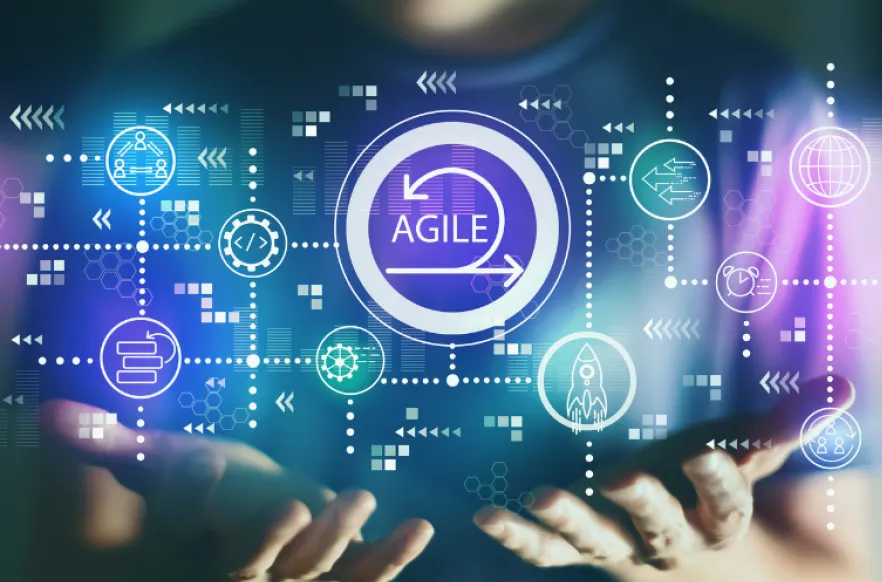
In contrast to Waterfall's rigidity, the Agile Model is all about flexibility and collaboration. This iterative framework breaks down large projects into small, manageable cycles called "sprints." At the end of each sprint, the team delivers a functional piece of the software. This approach allows for continuous feedback from stakeholders and gives developers the ability to adapt to changing requirements on the fly. The core idea is to deliver value to the customer faster and more frequently. Teams that use Agile methodologies often have daily stand-up meetings and work closely together, making communication a key component of its success.
The V-Model: Testing at Every Stage
The V-Model, also known as the Verification and Validation model, is essentially an evolution of the Waterfall model. Its defining feature is the strong emphasis it places on testing. For every phase in the development lifecycle, there is a corresponding testing phase running in parallel. For example, while the team is working on the system design, the quality assurance team is already preparing system test plans. This ensures that testing isn't just an afterthought but an integral part of the process from the very beginning. This simultaneous validation and verification helps catch defects early, which can save significant time and resources down the line.
The Spiral Model: A Risk-Focused Process
When you're dealing with large, complex, and high-risk projects, the Spiral Model is a strong contender. It combines the iterative nature of Agile with the systematic, controlled aspects of the Waterfall model, adding a heavy emphasis on risk analysis. The project progresses in a series of spirals, or iterations. Each spiral starts with identifying objectives, evaluating alternatives, and assessing risks before any development begins. This allows teams to tackle the highest-risk components first. An early version of the product is released with each iteration, allowing for user feedback and refinement. This model is ideal for projects where requirements are unclear or when significant risk management is a top priority.
The Incremental Model: Building in Pieces
The Incremental Model is a process where project requirements are divided into multiple standalone modules of the software development cycle. Each module goes through the requirements, design, implementation, and testing phases. Following this sequence, a working version of the software is produced during the first increment, so you have a functional product early in the lifecycle. Each subsequent increment builds on the previous one until all requirements are met. This approach allows you to get a product into the hands of users faster and incorporate their feedback into the next build. It’s a practical way to deliver functionality in stages and manage large projects without waiting until the very end for a single release.
The RAD Model: Designed for Speed
The Rapid Application Development (RAD) Model is built for speed. Its primary goal is to accelerate the development process by focusing on building prototypes and gathering user feedback quickly. Instead of extensive pre-planning, the RAD model emphasizes an iterative development and user feedback loop. Developers create a prototype, stakeholders test it, and their feedback is immediately used to refine the next version. This cycle continues until the final product is complete. This model is highly effective for projects with well-defined user requirements and a smaller scope, where the goal is to deliver a working system in a short amount of time. It relies heavily on powerful development tools and a collaborative team environment to succeed.
Weighing the Pros and Cons of Each Model
Every software process model comes with its own set of strengths and weaknesses. There’s no single "best" option; the right choice always depends on your project’s specific needs, your team’s skills, and your organizational goals. Understanding the trade-offs is the first step toward picking a model that sets your project up for success. Let’s break down the pros and cons of the most common models so you can see how they stack up against each other and make an informed decision.
Waterfall: Predictability vs. Rigidity
The Waterfall model is the most traditional and straightforward approach. Its main advantage is its predictability. Since each phase is completed before the next one begins, it’s easy to manage, with clear deliverables and deadlines at every stage. This makes it a great fit for projects with well-defined requirements that are unlikely to change. The major drawback, however, is its rigidity. Once a phase is complete, it’s difficult and costly to go back and make changes. If your project requirements are even slightly ambiguous or might evolve, the Waterfall model can quickly become a roadblock, leaving little room for feedback or adjustments along the way.
Agile: Flexibility vs. Unpredictability
Agile is all about adaptability. It breaks projects into small, iterative cycles called sprints, allowing for continuous feedback and adjustments. This flexibility makes it ideal for projects where requirements are expected to change or are not fully known at the outset. The collaborative nature of Agile fosters strong team communication and a focus on delivering value to the customer quickly. On the flip side, this same flexibility can lead to unpredictability. Without a rigid plan, projects can sometimes suffer from scope creep, and the emphasis on working software over extensive documentation might not be suitable for projects that require a detailed paper trail for compliance or future maintenance.
V-Model: Quality Assurance vs. Inflexibility
The V-Model, also known as the Verification and Validation model, is an extension of the Waterfall model with a strong emphasis on testing. For every development phase, there is a corresponding testing phase that runs in parallel. This ensures that testing begins early in the lifecycle, leading to higher quality and fewer defects in the final product. It’s a highly disciplined model that’s easy to manage. However, like Waterfall, it is very rigid and inflexible. It’s not a good choice for projects with uncertain requirements or for long-term projects that might need to adapt to market changes. The V-Model works best when technical requirements are clear from the start.
Spiral: Risk Management vs. Complexity
If your project is large, complex, and carries significant risk, the Spiral model might be the right fit. It combines elements of iterative development with a systematic approach to risk analysis. The project moves through four phases in a spiral: planning, risk analysis, engineering, and evaluation. This cyclical process allows for risks to be identified and addressed at each stage, making it a safe choice for high-stakes projects. The main disadvantage is its complexity. The model can be difficult to manage and requires considerable expertise in risk assessment. It can also be a costly model, as the repeated phases of risk analysis add to the project’s timeline and budget.
Incremental: Early Value vs. Integration Challenges
The Incremental model is designed to deliver a finished product piece by piece. The software is broken down into several small, manageable modules, and each one goes through the full development lifecycle. This allows you to get a functional version of the product into the hands of users much earlier than with a linear model. Early user feedback can then be incorporated into subsequent increments. The primary challenge with this model is integration. As new increments are added, ensuring they all work together seamlessly can become complex. It requires a clear and complete plan of the entire system before you even start to avoid major integration headaches down the road.
RAD: Speed vs. Scalability Issues
The Rapid Application Development (RAD) model is built for speed. It prioritizes rapid prototyping and user feedback over long-winded planning. By using prototypes, developers can quickly gather feedback from stakeholders and make adjustments on the fly, significantly shortening the development timeline. This makes it a great option for projects that need to be developed quickly and where requirements are flexible. However, the focus on speed can come at a cost. The model requires a highly skilled team and can be difficult to manage. It’s also not well-suited for large-scale projects, as it can lead to scalability issues if the system architecture isn’t carefully considered from the beginning.
How to Choose the Right Process Model for Your Project
Selecting the right software process model isn’t about picking the most popular one; it’s about finding the best fit for your project’s unique DNA. The model you choose will act as your roadmap, guiding your team from the initial concept to the final launch. A mismatched model can lead to missed deadlines, frustrated teams, and a final product that doesn't hit the mark. To make the right choice, you need to look closely at your project’s specific characteristics, from its complexity and requirements to your team’s skills and available resources. Let's walk through the key factors to consider.
Assess Your Project's Scope and Complexity
First, take a realistic look at the size and intricacy of your project. Is it a small, straightforward application or a large, enterprise-level system with many moving parts? Larger projects generally need more detailed planning and documentation to keep everyone aligned, which might point you toward a more structured model like Waterfall or the V-Model. For highly complex projects where the path forward isn't entirely clear, a risk-driven approach like the Spiral model could be a better fit. Conversely, if you're working on a smaller project with clear goals, a flexible framework like Agile can help you move quickly and adapt as you go.
Define Your Project Requirements
How well do you understand what you’re building? If your project requirements are crystal clear, fully documented, and unlikely to change, a sequential model like Waterfall can be very effective. It allows you to progress through each development phase methodically. However, it’s rare for stakeholders to know exactly what they want from the very beginning. If you expect requirements to evolve or if you need to discover them along the way, an iterative model is your best bet. Agile and Incremental models are designed to handle change, allowing you to build, test, and gather feedback in short cycles, ensuring the final product truly meets user needs.
Factor in Your Team and Stakeholders
Your team's experience and your stakeholders' expectations play a huge role in this decision. Does your team have experience with iterative development, or are they more accustomed to a structured, top-down approach? Forcing a team into an unfamiliar methodology without proper training can cause friction. Also, consider how involved your stakeholders want to be. If they expect to see frequent demos and provide regular input, an Agile framework is perfect for fostering that collaboration. The right model should support your team’s workflow and create a transparent process for everyone involved, which is easier with a graphical process designer that visualizes every step.
Review Your Timeline and Resources
Finally, you need to ground your decision in the practical realities of your timeline and budget. Do you have a fixed deadline that can’t be moved? The RAD model is built for speed, but it often requires a dedicated and experienced team. If your timeline is more flexible but your budget is tight, you’ll want to avoid complex models that can add overhead. A well-defined project plan is essential for any model you choose, as it helps you manage expectations and prevent scope creep. Using the right automation tools can also help you make the most of your resources by handling repetitive tasks and keeping the project on track.
Common Hurdles in Process Model Implementation
Choosing a software process model is a great first step, but the real work begins with implementation. Even the best-laid plans can hit a few bumps along the way. Putting a new process into practice involves technology, people, and budgets, and getting all three to align perfectly is a common challenge. Understanding these potential hurdles ahead of time can help you prepare for them, ensuring your project stays on track and your team feels supported through the transition. Let's look at some of the most frequent obstacles you might face.
Handling Evolving Requirements
It’s a rare project where the initial requirements are the final ones. As your team gets deeper into development, stakeholders might see new opportunities or market feedback could shift your priorities. This is completely normal. The problem arises when your chosen process model is too rigid to adapt. A model that locks you into a strict, unchangeable plan can quickly become a roadblock, leading to frustration and costly rework. The key is to build in flexibility from the start. A process that allows for iteration and feedback helps you manage changing requirements effectively, ensuring the final product truly meets the business's needs, not just the needs that were documented months ago.
Addressing Team Resistance
One of the biggest hurdles in any new implementation isn't the software; it's the people. Your team is likely comfortable with their current workflows, and asking them to learn a new system can be met with resistance. This isn't because they don't want to do good work; it's because change is disruptive. To get everyone on board, you need a solid change management strategy. This means communicating clearly about why the change is happening and what the benefits are for them and the company. Involve your team in the process, listen to their feedback, and provide plenty of training and support. When people feel heard and prepared, they're much more likely to embrace a new way of working.
Sticking to Your Budget and Timeline
Scope creep and unexpected costs can quickly derail a project's timeline and budget. Often, this stems from inadequate project planning. It’s easy to map out the major milestones, but the smaller details can add up. Think about the "hidden" costs that often get overlooked: hours spent on staff training, the complexity of integrating with existing systems, and the effort required for data cleanup and migration. A thorough project plan that accounts for these variables is your best defense. By anticipating these potential expenses and time sinks from the beginning, you can create a more realistic budget and timeline that your team can confidently stick to.
Scaling Your Process for Larger Teams
A process that works beautifully for a team of five can break down when you try to apply it to a department of 50 or an entire enterprise. As you scale, the complexity of communication and coordination grows exponentially. Underestimating this complexity is a frequent misstep. To succeed, you need a process and a platform that are built to grow with you. For training, a "train-the-trainer" approach can be highly effective, where you empower a core group of super-users to educate their peers. This distributes the knowledge and creates internal champions for the new process. Ultimately, successful scaling depends on having a robust framework that supports larger teams without sacrificing efficiency or control.
Strategies for a Smooth Implementation
Choosing the right process model is a great first step, but the real work begins with implementation. Even the most perfectly designed plan can stumble if it isn't introduced thoughtfully. A successful rollout requires more than just technical setup; it demands clear communication, strategic planning, and a willingness to adapt. Let's walk through four key strategies that will help you put your new software process model into practice smoothly and effectively, setting your team up for long-term success.
Secure Stakeholder Buy-In
One of the biggest hurdles you can face when implementing a new process is resistance to change. If your team and leadership don't understand or support the new direction, adoption will be a constant struggle. Securing buy-in means getting everyone on the same page and building a team of advocates. Start by clearly communicating the "why" behind the change. Explain the problems the new model solves and the specific benefits it will bring to different departments and individual roles. Involve key stakeholders from various teams early in the process to gather their input and make them feel like part of the solution. Demonstrating value with a small pilot project can also be a powerful way to win over skeptics and build momentum.
Introduce Changes Gradually
Trying to change everything at once can overwhelm your team and create chaos. A phased approach is almost always more effective. Start by creating a detailed project plan that breaks the implementation down into manageable stages. You might begin with a single, low-risk process or roll out the new model to a small pilot group. This allows you to test your approach, gather feedback, and work out any kinks before a company-wide launch. Using a platform with graphical process designers can make this much easier, as you can build, test, and deploy workflows incrementally. This gradual introduction gives your team time to adjust and builds their confidence with each successful stage.
Prioritize Training and Documentation
A new process model is only as good as your team's ability to follow it. Underestimating the need for training is a common misstep that can lead to confusion and low adoption rates. Invest time in creating comprehensive training materials and clear, accessible documentation. This could include written guides, video tutorials, and hands-on workshops. Make sure everyone understands not just the "how" but also the "why" of the new workflows. Modern AI-powered tools can simplify complex tasks, but they don't replace the need for solid training. By equipping your team with the knowledge they need, you empower them to use the new system effectively from day one.
Monitor and Adapt Your Approach
Implementation isn't a one-time event; it's an ongoing process. Once your new model is in place, you need to monitor its performance and be ready to make adjustments. Establish key metrics to track efficiency, quality, and team satisfaction. Regularly collect feedback from your team to understand what’s working and where the pain points are. Using built-in dashboards and reporting can give you the visibility needed to make informed decisions. This iterative approach allows you to refine your processes over time, ensuring they continue to meet your business needs and support your team's success.
How Workflow Automation Strengthens Your Process Model
Choosing the right software process model is a huge step, but it’s not the final one. To truly get the most out of your chosen framework, you need to look at the day-to-day execution. This is where workflow automation comes in, acting as a powerful engine that drives your process model forward. It doesn’t replace your model; it supercharges it by handling the manual, repetitive tasks that can slow down progress and introduce human error. Think of it as the connective tissue that ensures every step, from initial request to final deployment, flows smoothly and efficiently. By automating the handoffs between people and systems, you eliminate the gray areas where projects often stall.
By automating key processes, you create a more resilient, transparent, and effective development lifecycle, regardless of whether you’re using a strict Waterfall approach or a flexible Agile framework. This allows your team to focus less on administrative overhead and more on creative problem-solving and innovation. With a solid workflow automation platform, you can build a system that not only follows your process model but actively improves it over time. It helps you turn your process model from a theoretical plan into a practical, high-performing reality. The goal is to create a system where the right work gets to the right person at the right time, with all the necessary information, every single time. This level of consistency is nearly impossible to achieve manually, but it's the standard with good automation.
Streamline Repetitive Tasks and Approvals
Every software project involves a mountain of repetitive tasks: assigning tickets, running tests, requesting approvals, and deploying builds. These manual steps are not only time-consuming but are also prime opportunities for errors. Workflow automation takes these tasks off your team’s plate. You can set up rules that automatically route approval requests to the right stakeholders, trigger code deployments upon successful testing, or assign bug reports to the correct developer based on the project module. This kind of automation is a cornerstone of enterprise software development best practices because it directly leads to greater operational efficiency and significant cost savings. Your team can move faster and with more confidence, knowing the process is handled consistently every time.
Gain Better Process Visibility and Control
When processes are handled manually through emails and spreadsheets, it’s tough to know the exact status of a project. Where is that approval? Did the latest build pass its tests? Workflow automation brings everything out into the open. Each step is tracked within the system, creating a clear, real-time audit trail. Dashboards can visualize progress, highlight bottlenecks, and show exactly where a task is in the pipeline. This level of visibility is crucial for effective project management. It ensures all team members are aligned with project goals and gives leaders the control they need to make informed decisions. Instead of chasing down status updates, you can see the entire process at a glance and proactively address any issues before they derail your timeline.
Empower Your Team with Low-Code Tools
Traditionally, automating a process required a developer to write custom code, creating a bottleneck for teams that needed changes. Modern workflow automation changes that dynamic with low-code platforms. These tools use visual, drag-and-drop interfaces that allow business analysts, project managers, and other team members to design and modify workflows themselves. This empowerment is a game-changer. The people who understand the business process best can directly implement improvements, leading to more effective and practical solutions. By leveraging low-code platforms, teams can build the exact tools they need without waiting in a long development queue, which fosters a culture of continuous improvement and innovation across the organization.
Related Articles
- What Is a Process Management System? A Full Guide
- Business Process Management Software (iBPMS), BPM System, Tools
- FlowWright | Business Process Management
- Business Process Model & Notation - BPMN
Frequently Asked Questions
Is there a single "best" software process model? That’s a common question, but the short answer is no. The best model is the one that fits your project’s specific context. A highly structured model like Waterfall might be perfect for a project with fixed, well-understood requirements. On the other hand, a project where you expect requirements to change would be better suited for a flexible framework like Agile. The goal isn't to find a one-size-fits-all solution but to choose the framework that best supports your project's scope, your team's skills, and your business goals.
Can you combine different process models? Absolutely, and many experienced teams do. This is often called a hybrid approach. For instance, you might use elements of the Waterfall model for the initial requirements gathering and high-level design phases to establish a solid foundation. Then, you could switch to an Agile or Incremental model for the development and implementation phases to allow for more flexibility and faster feedback cycles. Combining models lets you take advantage of the strengths of each while minimizing their weaknesses for your specific project.
What's the biggest mistake teams make when implementing a new process model? The most common pitfall is focusing too much on the technical side of the process and not enough on the people. A new model changes how your team works, communicates, and collaborates. If you don't get their buy-in or provide adequate training, you'll face resistance and confusion. A smooth implementation requires clear communication about why the change is happening, involving the team in the decision-making process, and providing the support they need to adapt successfully.
How does a process model differ from a project plan? It's easy to confuse the two, but they serve different purposes. Think of the software process model as your overall methodology or philosophy for building software; it’s the "how" you will approach the work in general. A project plan, in contrast, is the specific, tactical document for a single project. It details the "what, when, and who," including specific tasks, timelines, resources, and deliverables. Your process model provides the framework, and your project plan fills in the details for a particular initiative.
Do we still need a process model if we use workflow automation tools? Yes, you definitely do. They work together, with one supporting the other. Your process model is your strategic roadmap, defining the stages and rules of your development lifecycle. Workflow automation is the engine that executes the tasks within that roadmap efficiently and consistently. Automation tools handle the repetitive steps, approvals, and notifications, which frees your team to focus on more creative work. A good model provides the structure, and automation ensures that structure is followed flawlessly.