
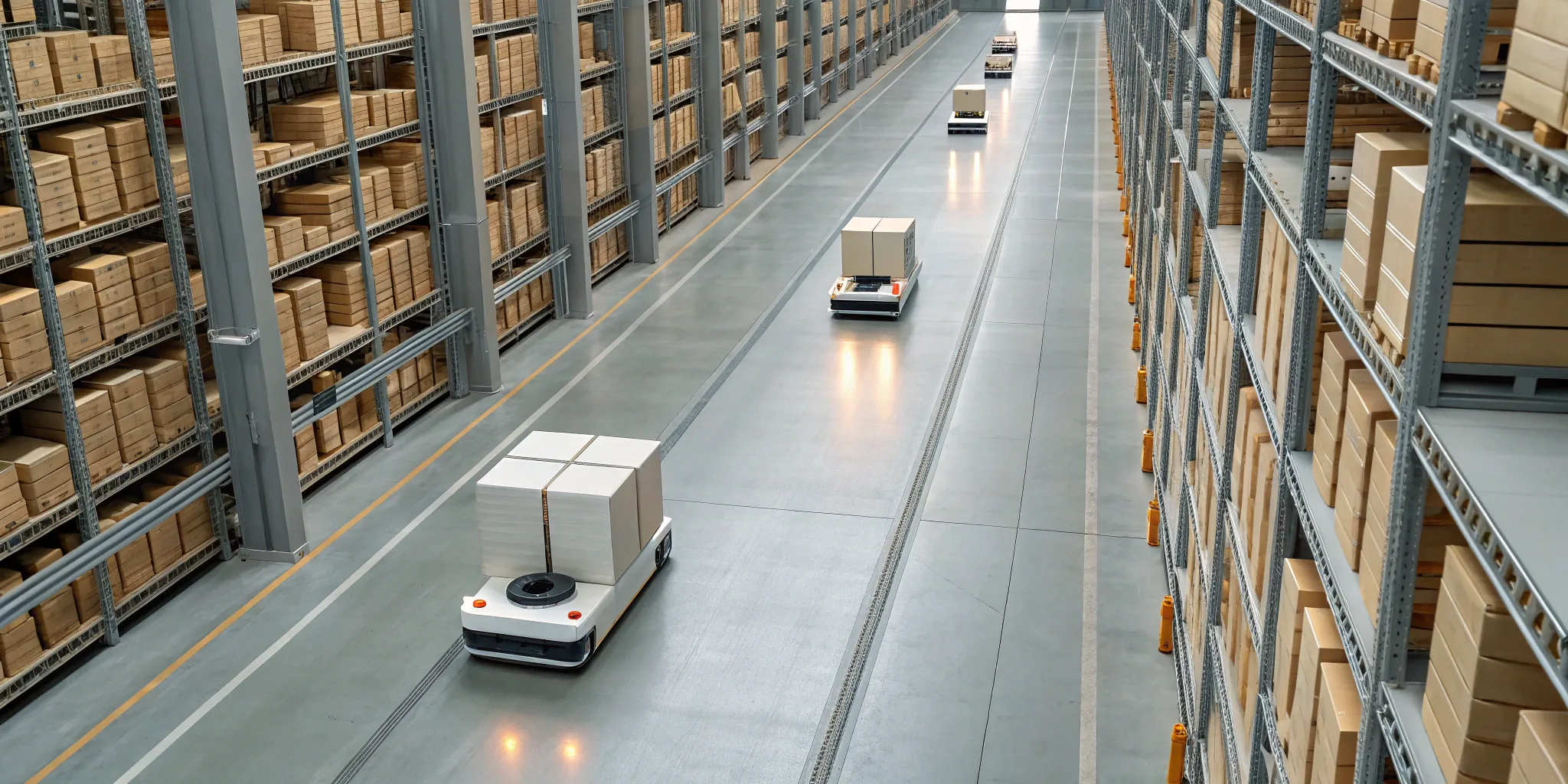
A modern supply chain relies on a complex web of systems, from warehouse management to transportation carriers. When these systems don't communicate, you're left with data silos, manual workarounds, and a lack of visibility. Logistics Process Automation acts as the central nervous system for your entire operation, connecting these disparate parts into a single, cohesive unit. It orchestrates the flow of information and tasks, ensuring that when an order is placed, every subsequent step is triggered automatically and efficiently. This creates a seamless, end-to-end process that gives you a clear, real-time view of your entire supply chain.
Key Takeaways
- Streamline Operations from End to End: Automation connects every step of your supply chain, from order processing to final delivery. By creating seamless digital workflows, you can reduce manual errors, speed up fulfillment, and gain a clear, real-time view of your entire operation.
- Unify Your Tech Stack with a Central Hub: Your specialized systems, like a WMS and TMS, work best when they communicate. A workflow automation platform acts as the central conductor, orchestrating tasks across all your tools to ensure data flows smoothly and processes run without manual intervention.
- Plan a Phased Rollout and Empower Your Team: A successful transition requires a smart strategy, not a sudden overhaul. Start by mapping your current processes, implement changes in manageable stages, and provide thorough training to ensure your team feels confident and supported by the new technology.
What is logistics process automation?
Logistics process automation is all about using technology to streamline and improve the way goods move through your supply chain. Think of it as teaching systems and software to handle the repetitive, manual tasks involved in getting a product from its origin point to the final customer. This isn't just about physical robots in a warehouse; it's also about the intelligent software that manages order processing, inventory tracking, shipping coordination, and data entry with minimal human intervention. By connecting disparate systems—from your warehouse management system to your transportation carriers—automation creates a single, cohesive workflow where information flows freely and tasks are executed automatically.
Instead of relying on spreadsheets, endless email chains, and manual checks, automation establishes a reliable, digital backbone for your operations. It helps your business operate faster, reduce the chance of human error, and save money on operational costs. When a new order comes in, an automated system can instantly verify inventory, generate a pick list, update stock levels, and schedule a shipment without anyone lifting a finger. By automating these core processes, you free up your team to focus on more strategic work, like improving customer relationships and finding new ways to grow the business. It’s the key to making your entire logistics operation smoother, smarter, and more responsive to market demands.
How automation transforms supply chains
Automation fundamentally changes how your supply chain operates by introducing speed, accuracy, and intelligence into every step. It takes over the repetitive tasks that are prone to human error, like data entry and inventory counts, and performs them faster and more reliably. This transformation means that from the moment an order is placed to when it’s delivered, the entire process is more efficient. Automated systems can receive new goods, log them into inventory, locate them for orders, and prepare them for shipping without missing a beat.
This shift also provides real-time visibility into your operations. You can instantly see inventory levels, track shipment progress, and identify potential bottlenecks before they become major problems. This level of insight allows you to make smarter, data-driven decisions on the fly. By connecting disparate systems and automating workflows, you can build a supply chain that is not only more efficient but also more resilient and capable of adapting to change.
Why you should automate your logistics
In today's market, customer expectations are higher than ever. People want fast, accurate shipping with real-time tracking, and meeting these demands manually is a serious challenge. Automating your logistics is no longer just an option for improvement—it’s becoming a necessity to stay competitive. It directly addresses major operational hurdles like rising labor costs, workforce shortages, and the increasing volume of orders that need to be processed flawlessly.
By implementing automation, you equip your business to handle these challenges head-on. You can significantly reduce labor costs and reallocate your team to higher-value tasks. More importantly, companies that adopt automation are better prepared to meet customer demands consistently, which builds loyalty and protects your brand's reputation. It’s a strategic move that allows you to scale your operations efficiently, adapt to market shifts, and build a solid foundation for future growth.
What are the key parts of a logistics automation system?
A modern logistics automation system isn’t a single tool but an ecosystem of technologies working in harmony. Think of it as a team of specialists, each with a distinct role, all coordinated by a central strategy. From the moment an order is placed to the final delivery, these components handle the physical and digital tasks that keep your supply chain moving. Understanding these key parts helps you see how they can connect to create a seamless, end-to-end automated process that drives efficiency and growth for your business.
Warehouse Management Systems (WMS)
A Warehouse Management System (WMS) is the operational brain of your warehouse. This software directs all the activity within your four walls, from receiving and storing inventory to picking, packing, and shipping orders. It optimizes warehouse space, manages labor, and ensures inventory accuracy in real time. A powerful WMS doesn't just track items; it orchestrates the entire fulfillment process, coordinating both human workers and automated hardware like conveyor belts and robots. To be truly effective, your WMS needs to communicate seamlessly with other business systems, which is where a robust workflow automation platform becomes essential for connecting the dots.
Transportation Management Systems (TMS)
Once a package leaves the warehouse, a Transportation Management System (TMS) takes over. This software focuses on everything related to moving goods from point A to point B. It helps you manage your freight by selecting the best carriers, planning the most efficient delivery routes, and tracking shipments until they reach their final destination. A TMS automates complex decisions, helping you reduce shipping costs, improve delivery times, and provide customers with accurate tracking information. By integrating your TMS with other platforms through an iPaaS solution, you can create a unified view of your entire supply chain, both inside and outside the warehouse.
Automated Storage and Retrieval Systems (AS/RS)
Automated Storage and Retrieval Systems (AS/RS) are the robotic workhorses that revolutionize warehouse storage. These systems use cranes, shuttles, and other vehicles to automatically store and retrieve products from high-density storage racks. By building vertically, AS/RS can dramatically increase your storage capacity without expanding your warehouse footprint. Some of the most advanced systems feature robots that bring entire shelves of items directly to a picking station, minimizing the time workers spend walking and searching for products. These physical systems rely on commands from the WMS and a central workflow engine to operate with precision and speed, turning your warehouse into a highly efficient, organized machine.
Robotic Process Automation (RPA)
While AS/RS handles physical tasks, Robotic Process Automation (RPA) tackles the repetitive digital ones. RPA uses software "bots" to mimic human actions on a computer, such as processing orders, sending notifications, generating invoices, and updating inventory records. Think of it as a digital assistant that can work 24/7 without making mistakes. RPA is fantastic for automating high-volume, rule-based tasks, freeing up your team to focus on more strategic work. When combined with an intelligent automation platform, you can orchestrate these bots as part of a larger, more complex business process, ensuring every digital step is handled automatically and efficiently.
Cloud-based workflow platforms
A cloud-based workflow platform is the conductor of your logistics orchestra. It serves as the central hub that connects your WMS, TMS, RPA bots, and other enterprise systems, ensuring they all work together seamlessly. These platforms allow you to design, execute, and monitor your end-to-end logistics processes from a single place. With a low-code/no-code interface, you can empower your business teams to build and adapt workflows without needing extensive developer resources. This agility is key to creating a resilient and scalable supply chain that can quickly respond to changing market demands and customer expectations.
What are the benefits of automating logistics?
When you automate your logistics, you’re not just updating a few processes—you’re building a more resilient, efficient, and intelligent supply chain. Automation introduces a level of precision and speed that manual efforts simply can't match, transforming your operations from a series of disconnected tasks into a cohesive, high-performing system. It helps you get ahead of challenges like rising costs and labor shortages by creating a framework that works smarter, not just harder. By replacing repetitive manual work with streamlined, automated workflows, you free up your team to focus on strategic initiatives and customer-facing activities that truly drive growth.
The impact is felt across the board, from the warehouse floor to the final delivery confirmation. You’ll see faster fulfillment times, fewer costly errors, and a much clearer view of your entire operation in real time. This shift doesn't just make your business more efficient; it makes it more competitive. In a market where customer expectations are constantly rising, the ability to deliver quickly, accurately, and transparently is a major differentiator. Let's break down the specific advantages you can expect when you bring automation into your logistics processes.
Operate faster and more efficiently
Logistics automation uses technology to streamline and accelerate your supply chain processes from end to end. Think of it as giving your operations a major upgrade. Systems and tools take over time-consuming tasks like order processing, inventory checks, and shipping coordination, handling them with incredible speed and consistency. This means less time spent on manual data entry and more time focused on strategic growth. By implementing a workflow automation platform, you can connect disparate systems and create seamless workflows that move goods from point A to point B faster than ever before. This ensures your business runs smoothly around the clock, reducing lead times and getting products into your customers' hands more quickly.
Reduce costs and optimize resources
One of the most significant benefits of automation is its direct impact on your bottom line. By optimizing delivery routes with intelligent software, you can cut fuel consumption and transportation expenses. Smart inventory management prevents overstocking and stockouts, saving you money on storage fees and lost sales. Automation also reduces the need for manual labor in repetitive tasks, allowing you to reallocate your team to more valuable, strategic work like customer service or process improvement. These efficiencies add up quickly, leading to lower operational costs and better resource allocation across your entire supply chain. It’s about making the most of what you have, from your fleet to your workforce.
Improve accuracy and reduce errors
To err is human, but in logistics, even small mistakes can be incredibly costly. Automation minimizes the risk of human error in everything from data entry to order picking and packing. Machines and software follow programmed rules without deviation, which means fewer incorrect shipments, better inventory tracking, and more reliable data across all your systems. This heightened accuracy prevents the cascade of problems that a single error can cause, such as shipping delays, expensive returns, and customer complaints. With more dependable processes powered by automation, you can trust that your operations are running correctly and efficiently, building a reputation for reliability.
Gain real-time visibility and satisfy customers
In today's market, customers expect to know where their order is at all times. Automation provides the real-time visibility you need to meet and exceed those expectations. With automated tracking and inventory updates, you get a clear, up-to-the-minute view of your entire supply chain. This allows you to make proactive decisions, anticipate potential delays, and keep your customers informed every step of the way. This transparency not only builds trust but also empowers your team to resolve issues before they become major problems. Using iPaaS solutions to connect your systems ensures that this data flows freely, leading to a much better and more predictable customer experience.
Scale and adapt with flexibility
As your business grows, your logistics operations need to grow with it. Automation provides the flexibility to scale your processes up or down without requiring a complete operational overhaul. Whether you're handling a seasonal surge in orders or expanding into new markets, an automated system can adapt to the increased demand without buckling under the pressure. This scalability is essential for long-term growth, helping you solve challenges like rising operational costs and the need to process a higher volume of orders efficiently. A robust set of features in your automation platform ensures you have the tools to handle whatever comes next, making your supply chain an asset for growth, not a bottleneck.
What are the common challenges of logistics automation?
Switching to an automated logistics system is a game-changer, but let's be real—it’s not always a simple plug-and-play process. Like any major upgrade, it comes with its own set of hurdles. Thinking through these potential challenges ahead of time is the best way to ensure your transition is smooth and successful. It’s not about avoiding problems entirely, but about having a smart plan to address them when they pop up.
From getting the budget approved to making sure your new tech plays nicely with your old systems, a little foresight goes a long way. By understanding the common obstacles, you can build a strategy that turns potential roadblocks into stepping stones for a more efficient and resilient supply chain. The goal is to move forward with confidence, knowing you’ve prepared for the financial, technical, and human aspects of this transformation. A well-thought-out approach helps you secure buy-in from leadership and your team, making the entire project a collaborative success rather than an uphill battle. This proactive mindset shifts the conversation from "if" problems arise to "how" you'll solve them, which is a much more powerful position to be in. It also demonstrates a level of strategic planning that builds trust across departments, from finance to the warehouse floor.
Managing initial investment and costs
Let’s talk about the elephant in the room: the initial cost. Implementing new software, upgrading hardware, and training your team requires a significant upfront investment. It’s easy to get sticker shock, but it’s more helpful to frame this as an investment in your company's future rather than just an expense. The right automation platform pays for itself over time by cutting operational costs, reducing costly errors, and improving overall efficiency. When building your business case, focus on the long-term return. A low-code platform can also help manage costs by speeding up development and reducing the need for specialized programming skills, getting you to that ROI faster.
Guiding your team through the transition
Technology is only half the equation; your people are the other half. It’s natural for employees to feel anxious about change. They might worry about their roles becoming obsolete or feel overwhelmed by the thought of learning complex new systems. The key is to bring them along on the journey. Be transparent about why you’re automating and how it will help them, not replace them. Automation is about freeing your team from repetitive, manual tasks so they can focus on more strategic, high-value work. Investing in thorough training and creating a supportive environment is crucial for successful change management and ensuring everyone feels confident with the new tools.
Handling complex tech integrations
Your logistics operations likely rely on a mix of existing systems, from your ERP to your WMS. Getting a new automation tool to communicate seamlessly with this established tech stack can be a major technical hurdle. Many companies find this challenging, especially if they don't have deep integration expertise in-house. This is why choosing a platform built for connectivity is so important. Look for a solution with robust API capabilities and pre-built connectors. An iPaaS solution can act as a central hub, making it much simpler to connect disparate applications and ensure data flows smoothly across your entire ecosystem without extensive custom coding.
Managing a complex supply chain
Modern supply chains are rarely straightforward. You’re often juggling multiple suppliers, warehouses, carriers, and delivery methods, each with its own processes and systems. Trying to automate this intricate web can feel daunting. A simple automation tool might not be able to handle the variability and complexity. You need a system that can orchestrate workflows across this entire network, providing a single source of truth. A powerful and flexible workflow platform is essential for connecting all the moving parts, from procurement to final delivery. This allows you to standardize processes where possible while remaining agile enough to adapt to disruptions or changes in your network.
What technology powers logistics automation?
Logistics automation isn’t just one tool; it’s a powerful combination of different technologies working in sync to streamline your operations. Think of it as a digital ecosystem where each piece of tech plays a specific role, from predicting future demand to connecting all your existing systems. Understanding these core components helps you see how a truly automated supply chain comes to life. By bringing together artificial intelligence, smart sensors, and flexible workflow platforms, you can build a system that is both intelligent and incredibly efficient.
Artificial intelligence and predictive analytics
Artificial intelligence (AI) and predictive analytics are the brains behind a smart logistics operation. Instead of just reacting to events, these technologies allow you to anticipate them. By analyzing historical data, AI can forecast customer demand, helping you manage inventory more effectively and avoid costly stockouts or overstock. Predictive analytics uses this information to identify patterns and make informed guesses about the future. This means you can optimize delivery routes to avoid delays, schedule maintenance for your fleet before a breakdown occurs, and make the entire supply chain more resilient. It’s all about using data to make smarter, proactive decisions.
Internet of Things (IoT) and smart sensors
If AI is the brain, the Internet of Things (IoT) is the nervous system of your logistics network. IoT consists of physical devices—like GPS trackers, temperature monitors, and smart sensors—embedded throughout your supply chain. These devices collect and transmit real-time data, giving you a live view of your entire operation. You can track shipments from the warehouse to the customer's doorstep, monitor the condition of sensitive goods, and get instant alerts if something goes wrong. This constant flow of information provides unparalleled visibility, helping you manage your fleet, secure your assets, and ensure every delivery meets quality standards.
Low-code/no-code workflow automation platforms
You don’t need to be a software developer to build powerful automation. Low-code/no-code platforms are designed to empower the people who know your processes best—your operations team—to create and deploy automated workflows with intuitive, visual tools. Instead of writing complex code, you can drag and drop components to design a process for anything from order fulfillment to returns management. This approach makes automation more accessible and faster to implement. It allows your team to quickly adapt processes as business needs change, putting the power to innovate directly into their hands and driving your digital transformation forward.
Integration platforms and APIs
With so many different systems and technologies in play, getting them all to communicate is essential. That’s where integration platforms and APIs (Application Programming Interfaces) come in. Think of them as the universal translators for your software. An integration platform connects your Warehouse Management System (WMS), Transportation Management System (TMS), and enterprise resource planning (ERP) software, ensuring data flows seamlessly between them. This eliminates manual data entry, reduces errors, and creates a single source of truth for your entire operation. With a solid iPaaS solution, you can coordinate all your automated systems and ensure they work together as one cohesive unit.
What can you automate in logistics?
Logistics automation isn't just about robots in a warehouse; it's about using technology to make the entire process of moving goods smarter, faster, and more efficient. From the moment an order is placed to its final delivery, there are countless opportunities to replace manual, repetitive tasks with streamlined, automated workflows. By connecting your systems and letting software handle the routine work, you can reduce errors, cut costs, and give your team the space to focus on more strategic challenges. Let's look at some of the key areas where automation can make a significant impact.
Warehouse automation
Your warehouse is the heart of your logistics operation, and it’s a prime candidate for automation. A Warehouse Management System (WMS) acts as the brain, directing tasks like receiving inventory, storing items in the most efficient locations, and coordinating the picking and shipping process. This system can orchestrate everything from automated conveyor belts that move goods across the floor to robotic arms that handle packing. The goal is to create a seamless flow that minimizes manual handling, reduces human error, and gets orders out the door faster. By automating warehouse tasks, you can run a tighter, more accurate, and more productive operation.
Transportation and delivery automation
Once a package leaves the warehouse, automation continues to play a crucial role. A Transportation Management System (TMS) is designed to optimize every aspect of shipping. It can automatically select the best carrier based on cost and speed, plan the most efficient delivery routes to save fuel and time, and provide real-time tracking for both you and your customers. Looking ahead, technologies like self-driving trucks and delivery drones are set to further transform this space, enabling around-the-clock operations. Automating transportation management gives you greater control over your shipping network, leading to faster deliveries and happier customers.
Inventory management automation
Knowing what you have and where you have it is fundamental to logistics. Automation takes inventory management from periodic manual counts to a real-time, data-driven process. By integrating your sales channels with your warehouse systems, you can automatically track stock levels as orders come in and products are shipped. This prevents stockouts and costly overstocking. Even better, you can use predictive analytics to forecast future demand based on historical data and market trends. This allows you to proactively manage your inventory, ensuring you always have the right products available to meet customer needs without tying up capital in excess stock.
Order processing and fulfillment automation
The journey from a customer’s click to a shipped package involves many small, repetitive steps that are perfect for automation. Robotic Process Automation (RPA) uses software "bots" to handle tasks like entering order data, generating invoices, and updating inventory records. This not only speeds up the entire fulfillment cycle but also eliminates the risk of manual data entry errors. When you automate order processing, you create a more reliable and efficient system that can easily scale to handle high order volumes. This frees up your customer service and operations teams to focus on resolving complex issues and improving the overall customer experience.
What are the must-have technologies for implementation?
When you’re ready to automate your logistics, you’ll find that it’s not about a single piece of software but about creating a connected ecosystem. Think of it as assembling a high-performance team where each member has a specific role, but they all communicate flawlessly to achieve a common goal. The right technology stack forms the foundation of a successful automation strategy, enabling you to connect disparate systems, orchestrate complex processes, and gain clear insights into your operations.
Putting these systems in place allows you to move beyond manual tasks and reactive problem-solving. Instead, you can build a logistics operation that is proactive, data-driven, and resilient. The key is to choose technologies that not only solve today’s challenges but also integrate smoothly with each other and scale with your business as it grows. From managing inventory inside the warehouse to tracking shipments on the road, these are the essential tools that work together to make it all happen.
Warehouse Management System (WMS) integration
A Warehouse Management System (WMS) is the heart of your warehouse operations. It directs all the key activities, from receiving and storing inventory to picking, packing, and shipping orders. When you integrate your WMS with your automation platform, you create a powerful connection between your physical inventory and your digital workflows. This integration ensures that as soon as an order is placed, the WMS can automatically initiate the picking process, update inventory levels in real-time, and communicate with other systems without any manual intervention. It’s the first step to creating a truly efficient and error-free warehouse.
Transportation Management System (TMS) implementation
Once a package leaves your warehouse, a Transportation Management System (TMS) takes over. This software is your command center for all things shipping. It helps you manage your freight by selecting the best carriers, planning the most efficient delivery routes, and tracking shipments until they reach the customer’s doorstep. Implementing a TMS automates these complex decisions, helping you reduce shipping costs and improve delivery times. By connecting it to your central workflow, you ensure that tracking information is automatically shared with your team and your customers, providing everyone with complete visibility from start to finish.
A workflow engine for process orchestration
With all these specialized systems, you need a central conductor to make sure they work in harmony. That’s the role of a workflow engine. It acts as the brain of your logistics operation, orchestrating processes across your WMS, TMS, and other business applications. For example, when a customer places an order, the workflow engine can trigger actions in your inventory system, notify the WMS to start picking, and schedule the shipment in the TMS. This level of process orchestration ensures seamless communication and eliminates the gaps where errors and delays often happen.
Data analytics and reporting tools
You can’t improve what you don’t measure. That’s why data analytics and reporting tools are non-negotiable for modern logistics. These tools collect data from all your integrated systems and present it through intuitive dashboards and reporting. You can track key performance indicators (KPIs) like order accuracy, on-time delivery rates, and cost per shipment. This real-time data gives you the insights needed to spot bottlenecks, optimize routes, and make informed decisions that continuously improve your efficiency and reduce costs. It turns your operational data into a strategic asset for growth.
How to successfully implement logistics automation
Jumping into automation without a plan is a recipe for headaches. A thoughtful strategy makes all the difference between a project that stalls and one that transforms your operations. A successful implementation isn’t just about installing new software; it’s about carefully planning your approach, preparing your team, and picking the right tools for the job. Here’s how you can set your team up for a smooth and successful transition to an automated logistics workflow.
Assess your current process and set clear goals
Before you can automate anything, you need a crystal-clear picture of how things work right now. Take the time to map out your current logistics processes from start to finish. Where are the bottlenecks? What tasks are repetitive and time-consuming? Identifying these specific pain points, like inventory errors or shipping delays, helps you define what success looks like. Your goals should be specific and measurable—for example, "reduce order processing time by 30%" or "eliminate 95% of manual data entry errors." This initial assessment ensures you choose automation tools that solve your actual problems and gives you a baseline to measure your success later on.
Develop a phased implementation plan
Trying to automate everything at once is a common mistake that can overwhelm your team and disrupt operations. Instead, think in phases. Start with a pilot program focused on one specific area of your logistics chain, like warehouse intake or order fulfillment. This approach lets you test the technology in a controlled environment, work out any kinks, and gather feedback from the team on the ground. A successful pilot builds momentum and serves as a proof-of-concept for a wider rollout. It’s a much smarter way to introduce new technology, allowing you to learn and adjust before committing to a full-scale deployment across the entire organization.
Train your team and manage the change
Your people are your greatest asset, and their buy-in is critical for any new technology to succeed. It’s important to bring your employees into the conversation early, explaining how automation will support their roles, not replace them. Frame it as a way to eliminate tedious tasks so they can focus on more strategic work. Provide thorough training so everyone feels confident using the new tools. Good change management isn't just about teaching people which buttons to press; it's about building a culture that embraces new ways of working and is equipped to get the most out of your new technology.
Choose the right technology partner
The right partner can make or break your automation project. Look for a technology provider whose platform aligns with your long-term business goals. The ideal solution should be flexible, scalable, and capable of integrating smoothly with the systems you already use, like your WMS or ERP. A platform with strong integration capabilities prevents data silos and ensures a seamless flow of information across your entire supply chain. Your partner should offer more than just software; they should provide the support and expertise you need to get your automation strategy off the ground and help you adapt as your business grows.
How to measure your automation success
Putting a new automation system in place is a huge accomplishment, but the work doesn’t stop there. To make sure your investment pays off, you need a clear way to measure its impact. Tracking your progress helps you prove the value of automation to stakeholders, identify areas for improvement, and ensure your logistics operations are truly getting better. It’s about moving from thinking things are more efficient to knowing they are, with data to back it up.
This process isn’t about a one-time report card. It’s about creating a continuous feedback loop that helps you refine your processes over time. By focusing on the right metrics, understanding the financial return, and committing to ongoing improvement, you can make sure your automation strategy delivers on its promise and adapts as your business grows.
Key performance indicators (KPIs) to track
You can’t improve what you don’t measure. To understand the real impact of your automation efforts, you need to track specific metrics known as key performance indicators (KPIs). These aren't just random numbers; they are targeted data points that show you how well your logistics processes are performing against your goals. Your KPIs should cover the entire logistics lifecycle, from warehousing and inventory management to transportation and final delivery.
Start by identifying the most critical areas you wanted to improve with automation. Were you focused on speed? Accuracy? Cost reduction? Choose KPIs that reflect those goals. Common examples in logistics include Order Accuracy Rate, On-Time Delivery Rate, Inventory Turnover, and Cost Per Shipment. Using a platform with strong dashboards and reporting can help you monitor these KPIs in real-time, giving you an immediate view of what’s working and what needs attention.
Assess your return on investment (ROI)
Logistics automation requires an upfront investment in software, technology, and training, so it’s essential to measure its financial return. Calculating your return on investment (ROI) shows whether the long-term benefits justify the initial costs. While the initial spend might seem high, the gains in efficiency, error reduction, and resource optimization often create significant savings over time.
To calculate ROI, compare your implementation costs to the financial gains. These gains include direct cost savings, like reduced labor expenses or lower fuel consumption, as well as indirect benefits, such as increased revenue from faster fulfillment and higher customer satisfaction. Remember that ROI isn't just a one-time calculation. You should revisit it periodically to track the ongoing value your automation system brings to the business.
Create a plan for continuous improvement
Successful automation is an ongoing process, not a one-and-done project. The best strategies include a plan for continuous improvement, allowing you to adapt and refine your workflows as your business evolves. A great way to start is by testing new automation in a smaller, controlled part of your operation first. This pilot approach lets you identify and fix any issues before rolling out the changes across the entire organization.
Just as important is gathering feedback from your team. The people working with the automated systems every day have invaluable insights into what’s working and where the friction points are. Create simple channels for them to share their thoughts and suggestions. This collaborative approach not only helps you solve problems quickly but also fosters a culture where everyone is invested in making the new processes a success.
What's next for logistics automation?
The world of logistics automation is changing fast, driven by new technologies and shifting market demands. Staying ahead means understanding where the industry is headed and getting your own operations ready for the next step. Automation is no longer just about big, expensive robots in a warehouse; it’s becoming smarter, more connected, and more accessible for everyone. The goal is to create supply chains that are not only efficient but also resilient enough to handle whatever comes next.
Emerging tech and market trends
The future of logistics is all about using technology to make supply chain processes smoother and faster. Automation is becoming essential for tackling common industry hurdles like rising operational costs, labor shortages, and the ever-increasing volume of orders. As technology evolves, we're seeing a major shift toward making automation more efficient and cost-effective. One of the most significant trends is the rise of low-code/no-code platforms. These tools empower team members without a technical background to design and implement their own automated workflows. This approach is democratizing automation, allowing businesses to adapt quickly without relying on specialized developers for every small change.
How to prepare for the next wave of automation
Getting ready for advanced automation doesn't have to be overwhelming. Start by taking a close look at your current operations. Identify the specific problems you're facing, whether it's frequent inventory errors or shipping delays, as this will help you choose the right tools. Next, plan your budget carefully, accounting for software, training, and maintenance. It's also critical to ensure that any new tools can easily connect with your existing software, creating a unified system rather than a collection of separate parts. Finally, bring your team along for the ride. Be open about how automation will affect their roles, provide thorough training, and show them how these new tools will help them succeed.
Related Articles
- What Are Some Examples of Processes That Can Be Automated?
- How Manufacturing Plants Utilize Process Automation
- Is Your Organization Ready for Process Automation?
- What Are The Challenges In Process Automation?
- The Top Advantages of Business Process Automation
Frequently Asked Questions
My company already has a WMS and a TMS. Why do I need a separate workflow automation platform? That’s a great question, and it’s a common one. Think of your Warehouse Management System (WMS) and Transportation Management System (TMS) as highly skilled specialists. Your WMS is an expert on everything happening inside your warehouse, and your TMS is a pro at managing shipments once they leave. A workflow automation platform acts as the general manager or conductor, ensuring these specialists work together seamlessly on the entire end-to-end process. It orchestrates the handoffs between systems, fills in the communication gaps, and automates the tasks that happen between your core applications, creating one smooth, cohesive operation.
Where's the best place to start with logistics automation? You don't have to automate everything all at once. The smartest approach is to start small by identifying your single biggest pain point. Is it the time it takes to process new orders? Are shipping errors costing you money and frustrating customers? Pick one specific, high-impact problem and focus on automating that process first. This allows you to create a quick win, learn how the technology works in your environment, and build confidence and momentum before tackling larger projects.
How does automation affect my existing team? This is a crucial point because technology is only as good as the people who use it. The goal of logistics automation isn't to replace your team, but to empower them. It takes over the repetitive, manual tasks—like data entry and tracking updates—that are often tedious and prone to error. This frees up your employees to focus on more valuable, strategic work that requires human intelligence, such as handling complex customer issues, improving processes, and finding new ways to make your operations even better.
Is logistics automation only for massive companies with huge warehouses? Not at all. Automation is incredibly scalable and offers benefits for businesses of all sizes. A smaller company might not be investing in a fleet of warehouse robots, but it can get immense value from automating digital processes. For example, you could use software to automatically process orders, generate shipping labels, and send tracking notifications to customers. The core principle is the same regardless of scale: use technology to create more efficient, reliable processes.
How do I measure if my automation efforts are actually working? Success is all about tracking the right metrics. Before you start, you should have clear goals, like reducing shipping costs or improving order accuracy. To measure your progress, you'll want to monitor the key performance indicators (KPIs) tied directly to those goals. Look at metrics like your on-time delivery rate, cost per shipment, and order fulfillment time. Seeing those numbers improve over time is the clearest sign that your investment is paying off and making a real difference in your operations.