
Is Your Organization Ready for Process Automation?
When organization begin automating repetitive and time-consuming tasks, they can improve efficiency, reduce costs, and enhance customer satisfaction. However, before embarking on a process automation journey, it's crucial to assess your organization's readiness to ensure a successful implementation. We break down what you need to consider when implementing automation.
What to Consider when Implementing Process Automation
Process Identification and Documentation:
- Have you identified the processes that are suitable for automation? Look for processes that are repetitive, rule-based, and involve large volumes of data.
- Are your processes well-documented? Clear documentation is essential for understanding the workflow and identifying potential areas for automation.
Data Quality and Accessibility:
- Is your data clean, accurate, and consistent? Poor data quality can hinder automation efforts and lead to inaccurate results.
- Is your data accessible and easily integrated with automation systems? Ensure that your data is stored in a format that can be easily accessed and used by automation tools.
Technology Infrastructure:
- Does your organization have the necessary technology infrastructure to support automation? This includes hardware, software, and network capabilities.
- Are your systems compatible with automation tools? Ensure that your existing systems can integrate seamlessly with automation solutions.
Organizational Culture and Buy-In:
- Is your organization open to change and innovation? A positive organizational culture is essential for successful automation implementation.
- Do you have buy-in from key stakeholders? Ensure that employees and management understand the benefits of automation and are committed to the process.
Skills and Expertise:
- Does your organization have the necessary skills and expertise to implement and manage automation solutions? Consider hiring or training employees with relevant skills, or partnering with external consultants.
Risk Assessment and Mitigation:
- Have you identified potential risks associated with automation, such as job displacement or security concerns? Develop strategies to mitigate these risks and address employee concerns.
Benefits of Process Automation
If your organization is ready for process automation, you can expect to reap the following benefits:
- Increased Efficiency: Automation can significantly reduce the time required to complete tasks, freeing up employees to focus on higher-value activities.
- Reduced Costs: By eliminating manual labor and reducing errors, automation can lead to significant cost savings.
- Improved Accuracy: Automation can help ensure data accuracy and consistency, reducing the risk of errors and improving overall quality.
- Enhanced Customer Satisfaction: Faster response times, improved accuracy, and personalized service can lead to higher customer satisfaction.
- Increased Agility: Automation can help organizations adapt more quickly to changing market conditions and customer demands.
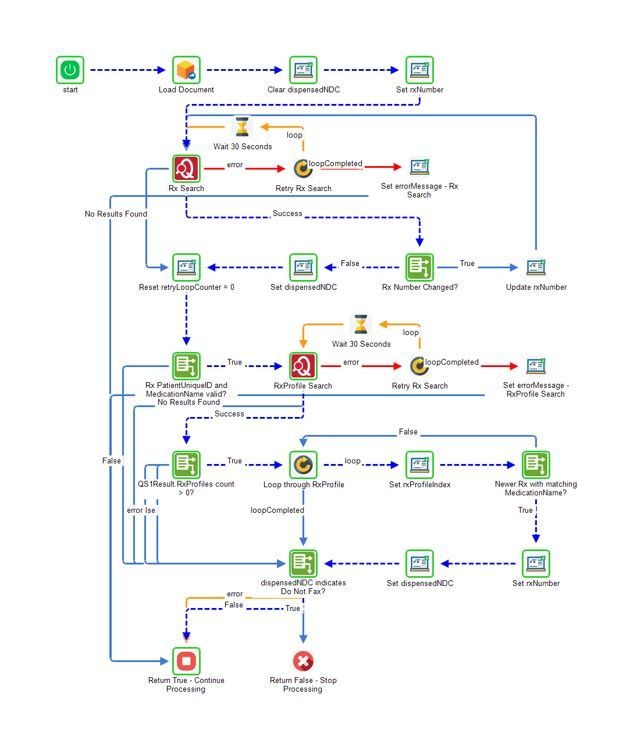
Implementing Enterprise Workflow Automation
Once you and your team have determined you are ready for process automation, here are some steps to get started:
- Conduct a Process Assessment: Identify the processes that are most suitable for automation and assess their current efficiency and effectiveness.
- Develop a Business Case: Justify the investment in automation by outlining the expected benefits, costs, and return on investment.
- Select the Right Automation Tools: Choose automation tools that align with your organization's specific needs and budget.
- Pilot Implementation: Test the automation solution on a small scale to evaluate its effectiveness and identify any challenges.
- Scale and Optimize: Gradually expand the scope of automation and continuously monitor and optimize the process to ensure maximum benefits.
Process automation offers significant opportunities for organizations to improve efficiency, reduce costs, and enhance customer satisfaction. By carefully assessing your organization's readiness and following a structured process to evaluate and implement, your day-to-day will be greatly improved. Keep reading our blog for our latest process management tips, and check out our business process automation software to learn more!
See of FlowWright IDP in action. Let's customize your free proof of concept (POC).
Why FlowWright?
Platform
Resources
Socials
Reviews